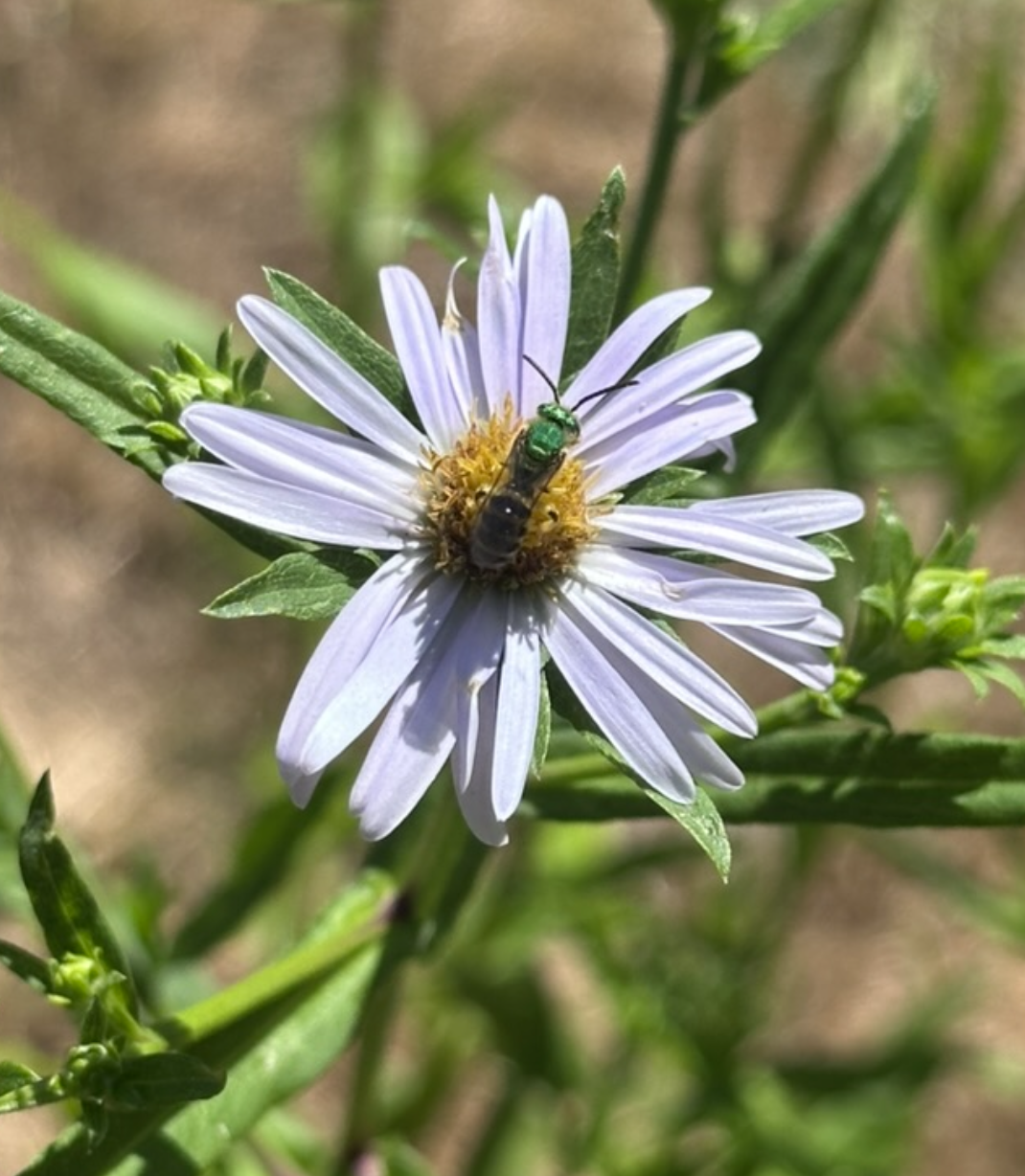
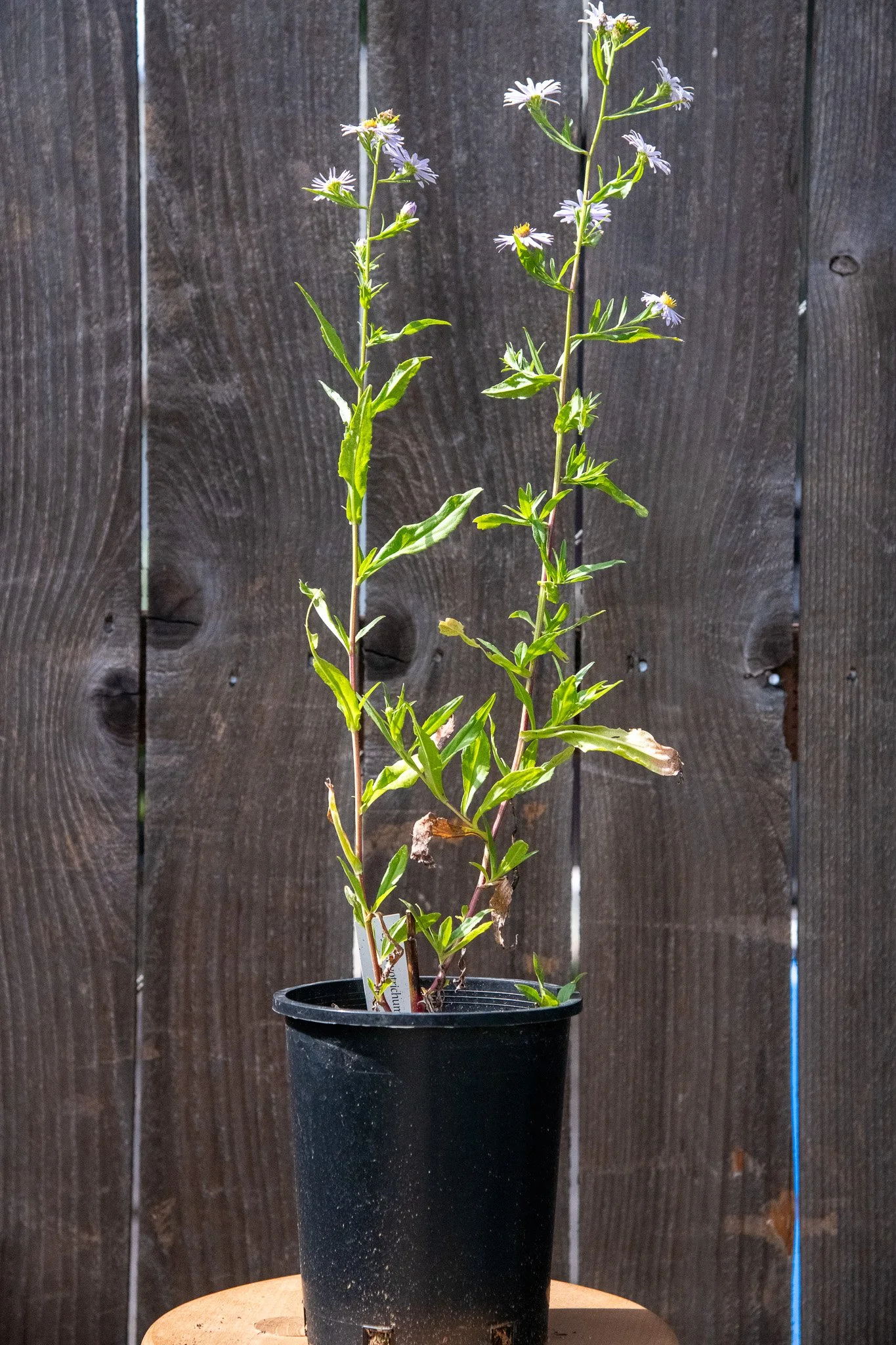
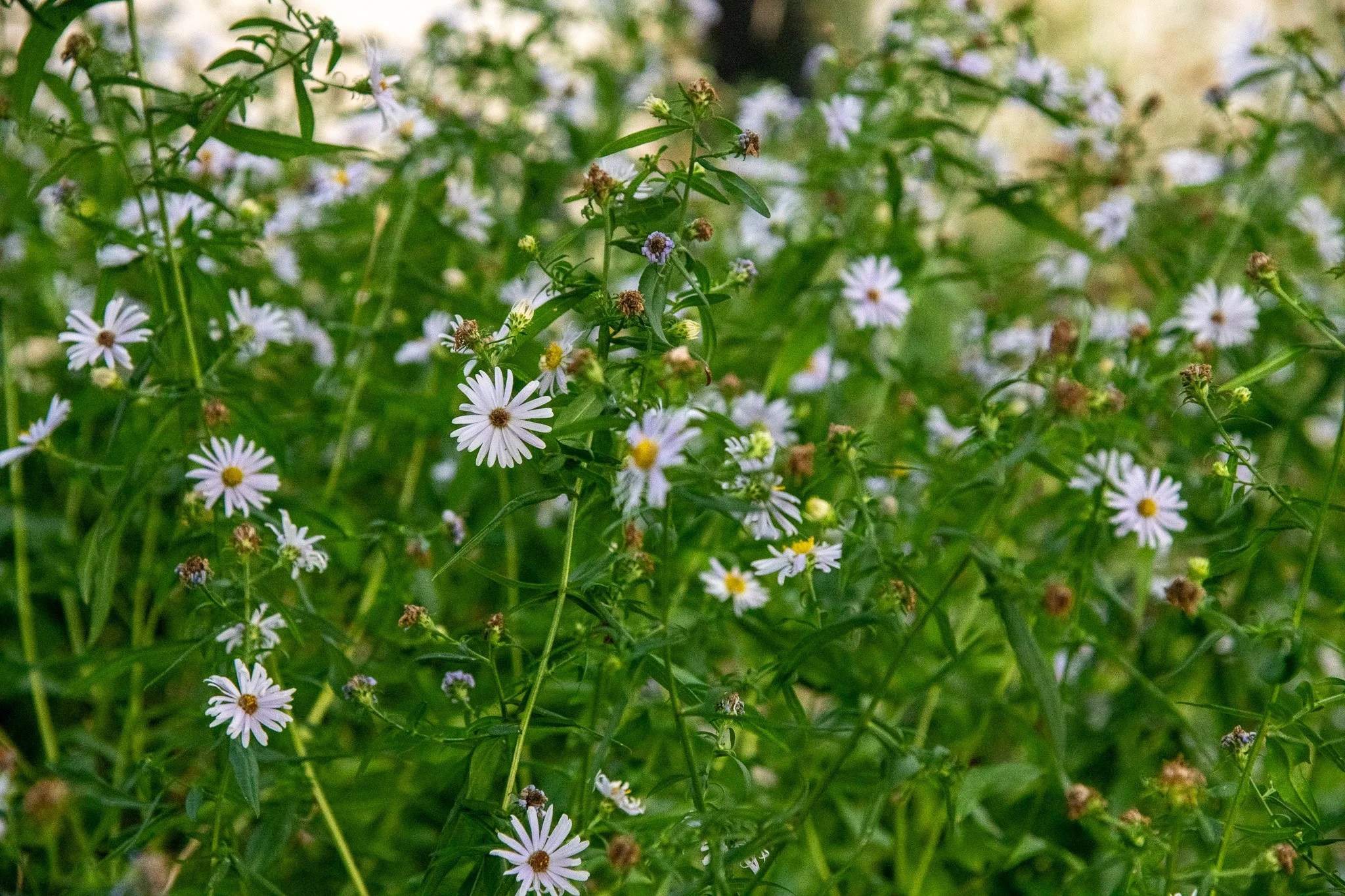
Douglas Aster. PPL Native. Purple blooms in August after many species have succumbed to the summer dry spell. A bit aggressive, the species wants to form a little patch for itself and will grow quite tall if you let it— but keep it small by cutting or breaking stems at waist-height as it grows in spring. Extremely popular with a wide variety of insects.
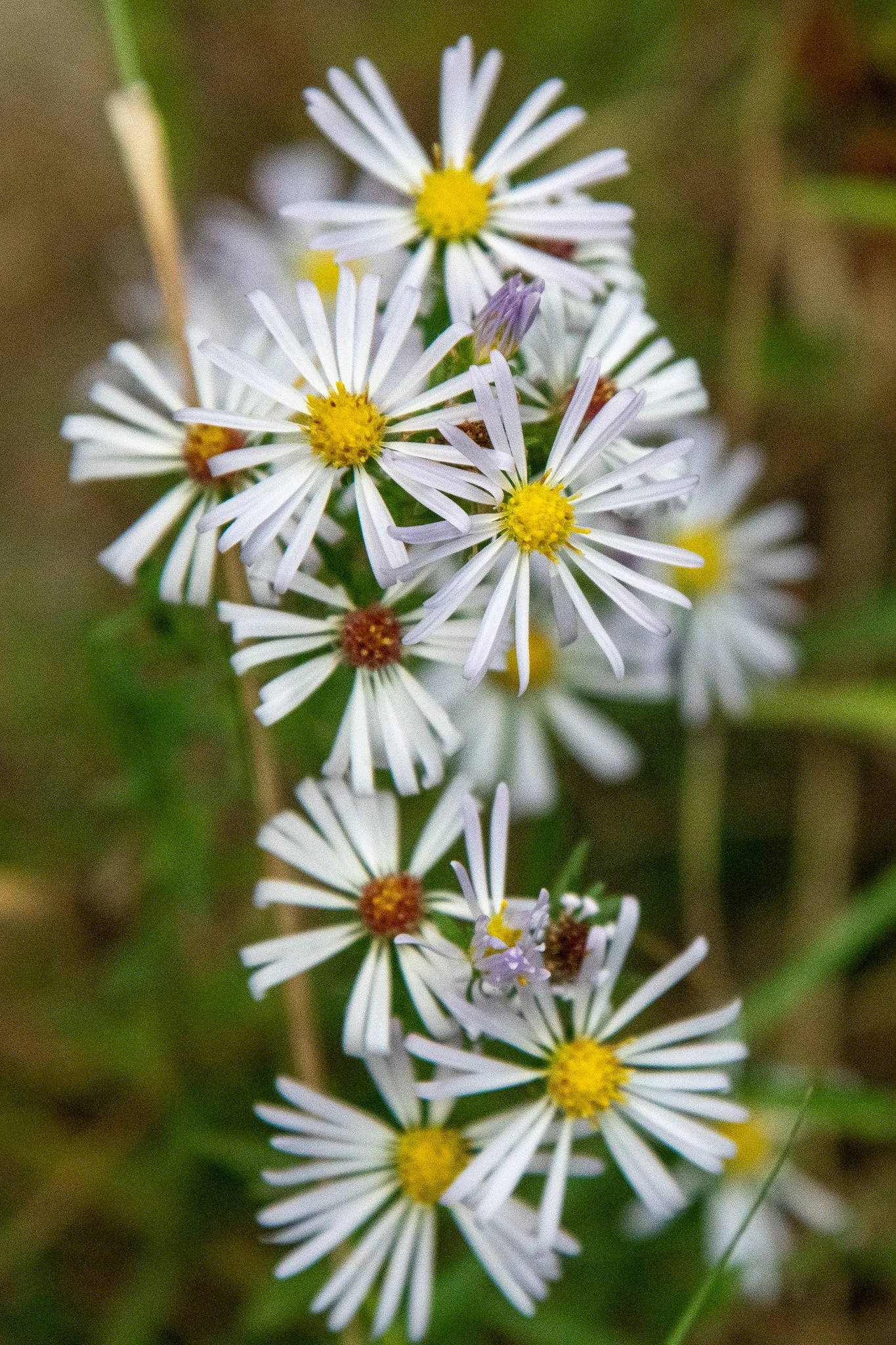
Hall’s Aster, Willamette Valley Aster. Lighter flowers, smaller overall, and less aggressive than its cousin Douglas but with the same late summer bloom period. Worth including in any native garden. One of the species which is inexplicably missing from the Portland Plant List— but of which we have documented collections from the Tualatin Plains as far back as 1880.
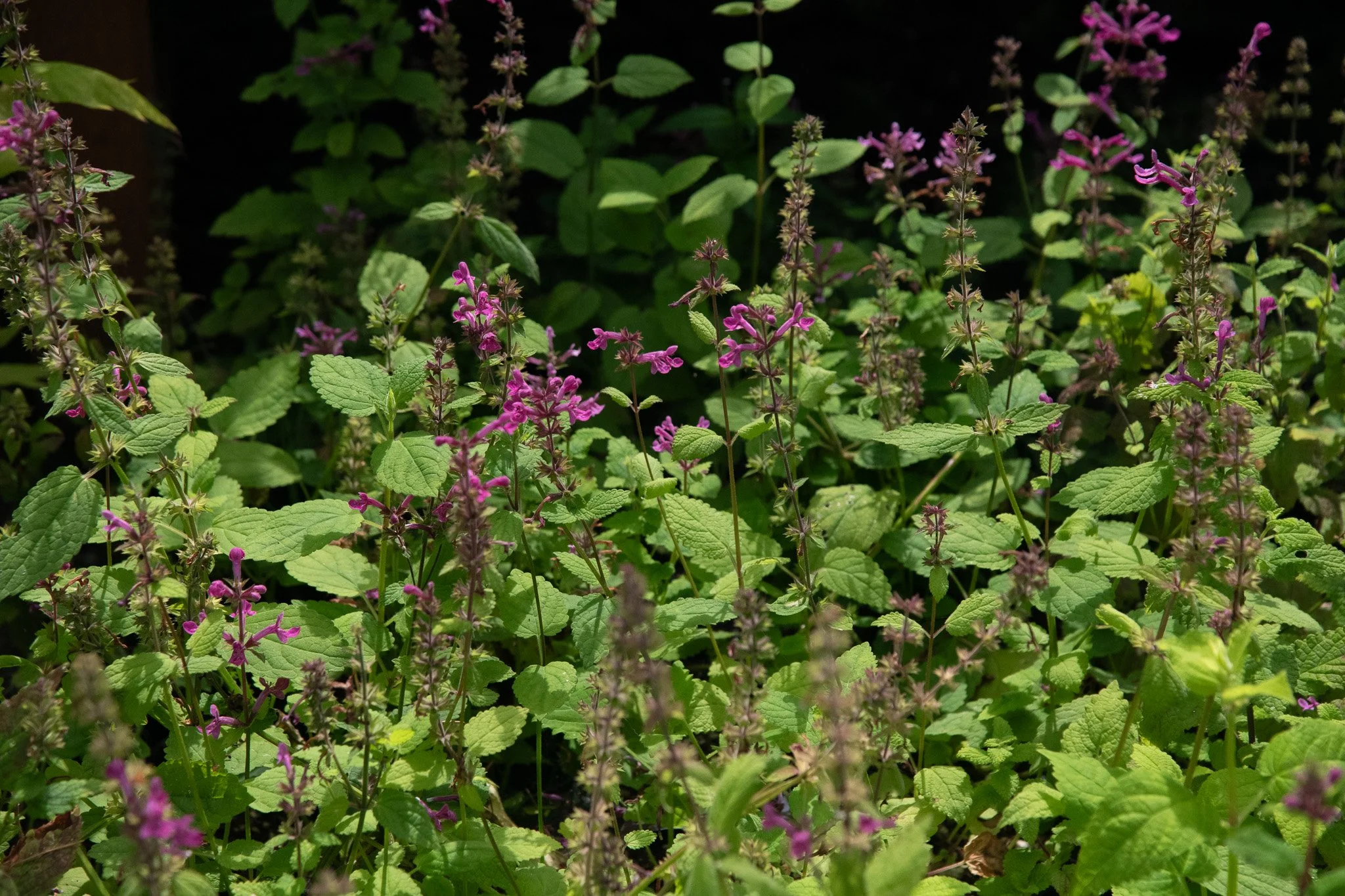
Cooley’s Hedgenettle, PPL native. Not the stinging kind of nettle! A patch forming member of the Mint family that does well in shade or, well, pretty much anywhere. Tubular magenta flowers look like you designed a hummingbird flower in a lab, and persist through most of summer. Slightly aggressive, but pairs nicely with Monarda or Symphyotrichum.
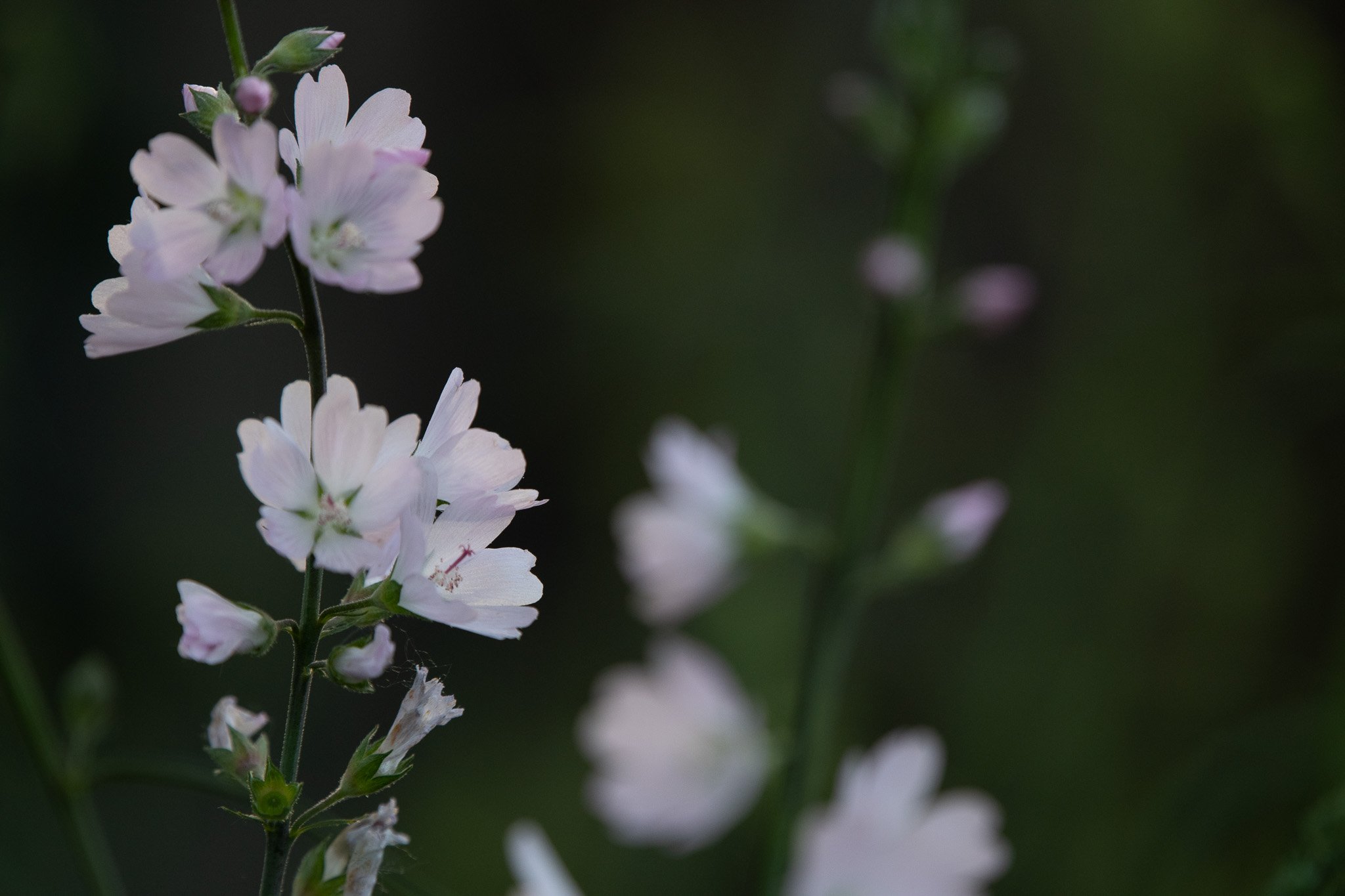
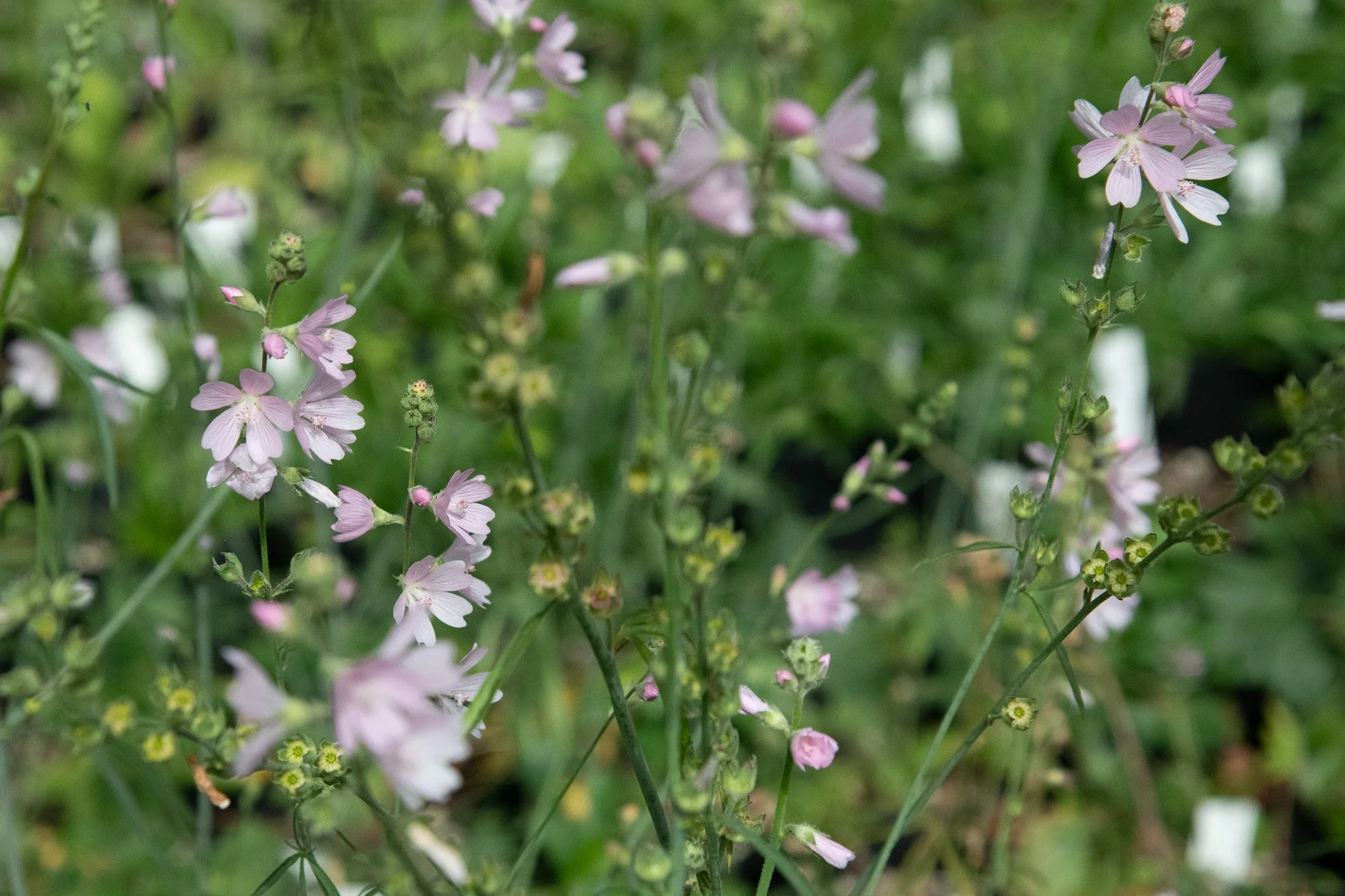
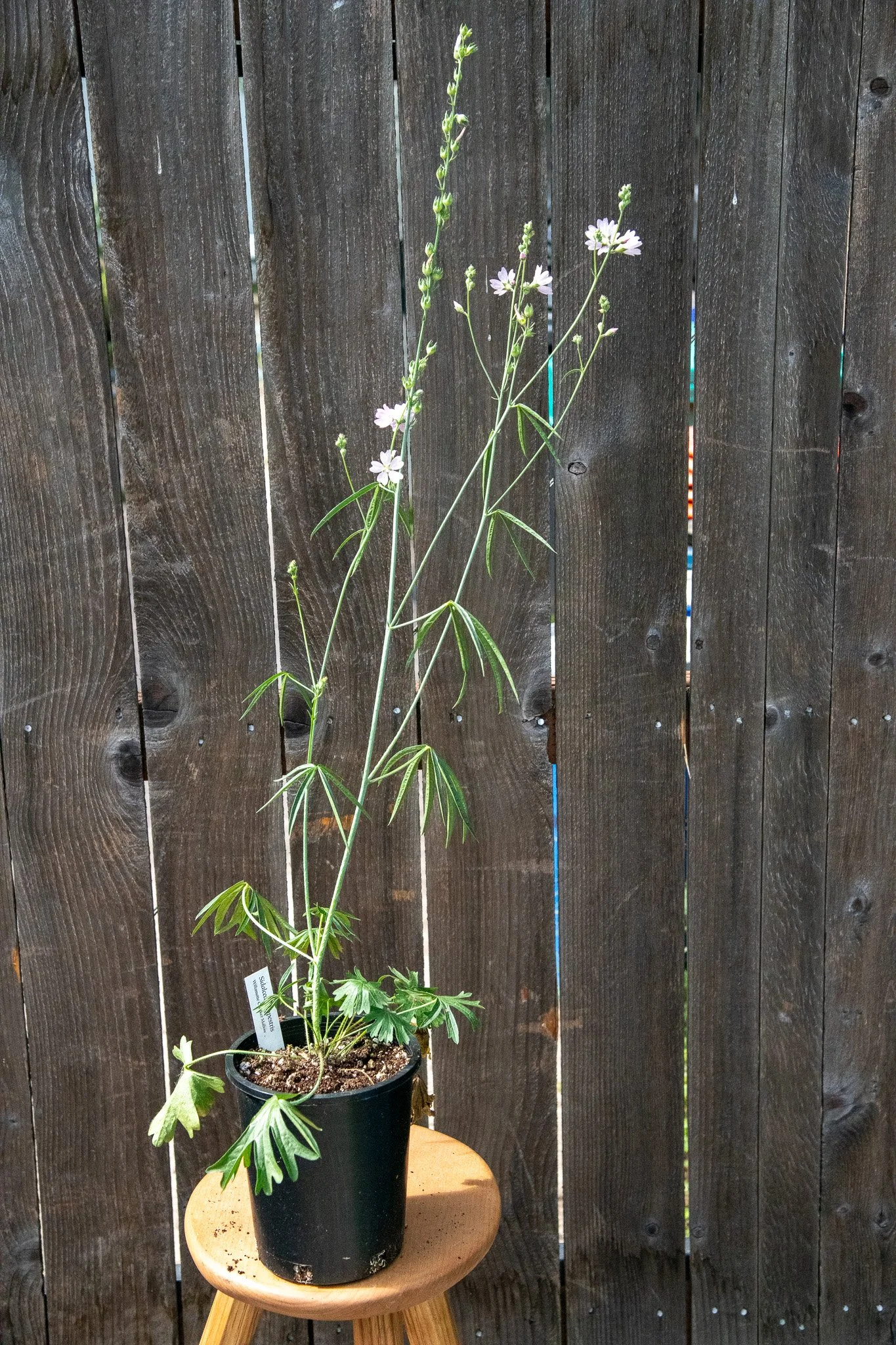
Meadow Checkermallow. PPL Native. Pale pink flowers on long stems in early spring, blueish leaves on the basal rosette. A meadow plant, happy growing in close proximity to other plants. Reliable taprooted perennial and good seed producer, but not overly aggressive in the garden. Leave the flowering stalks standing for vertical interest throughout summer— as far as “dead” plants go it’s one of the best.
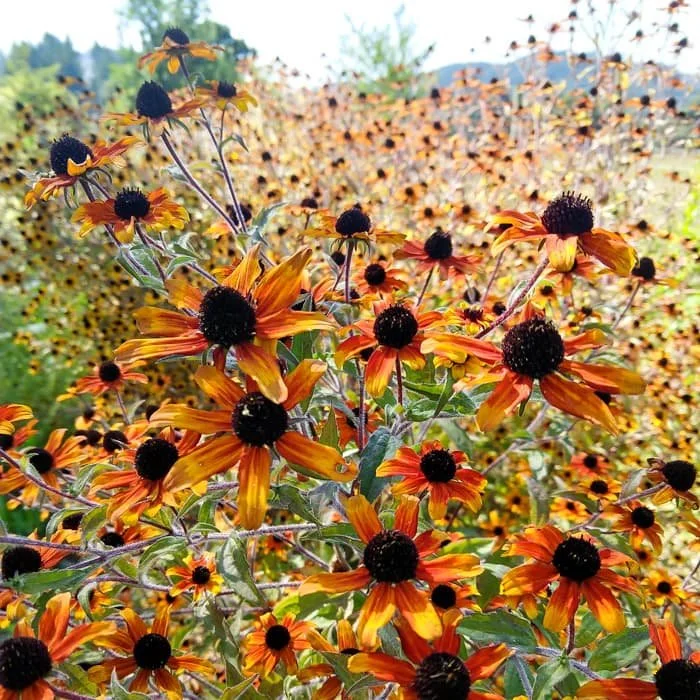
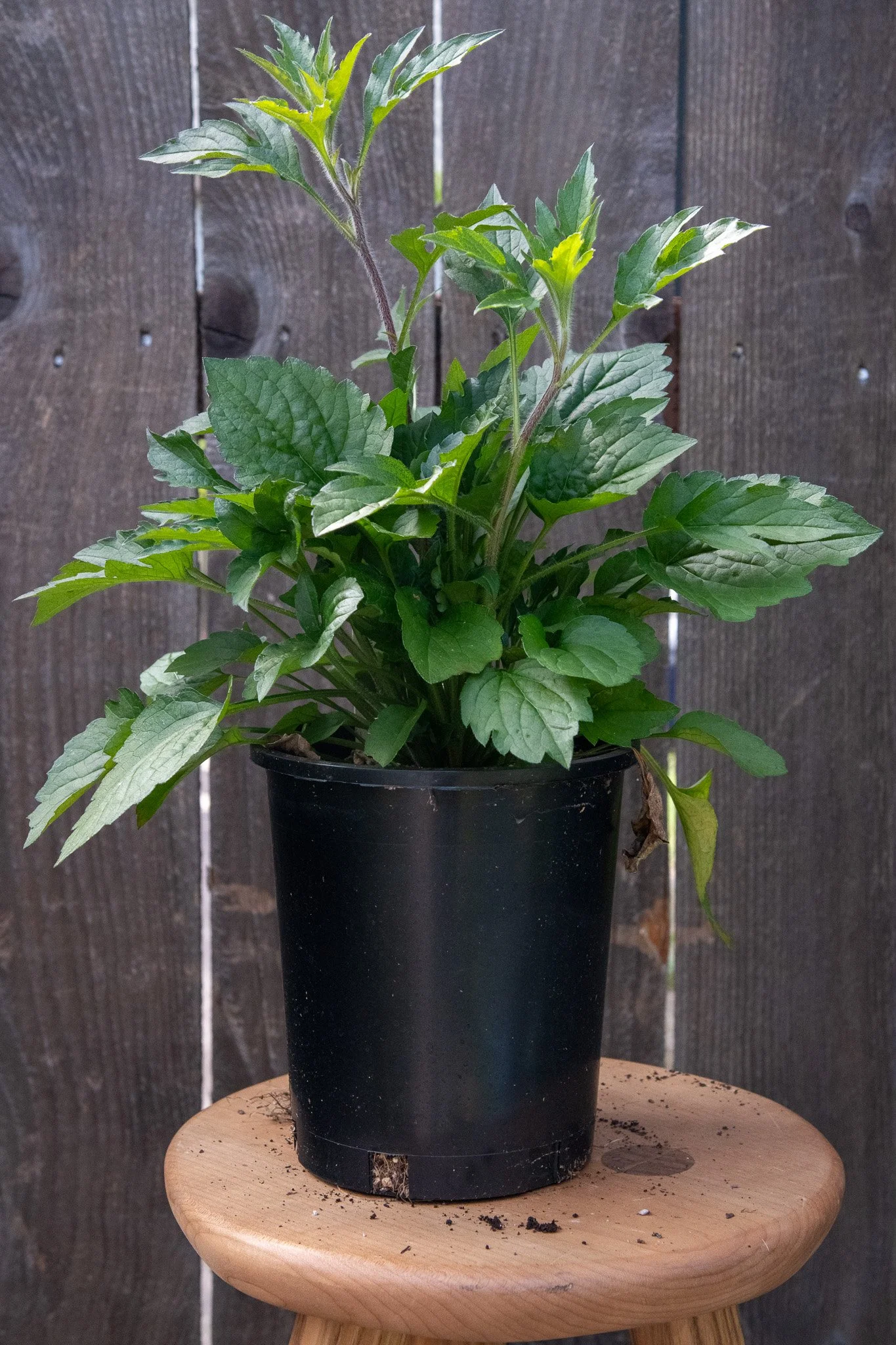
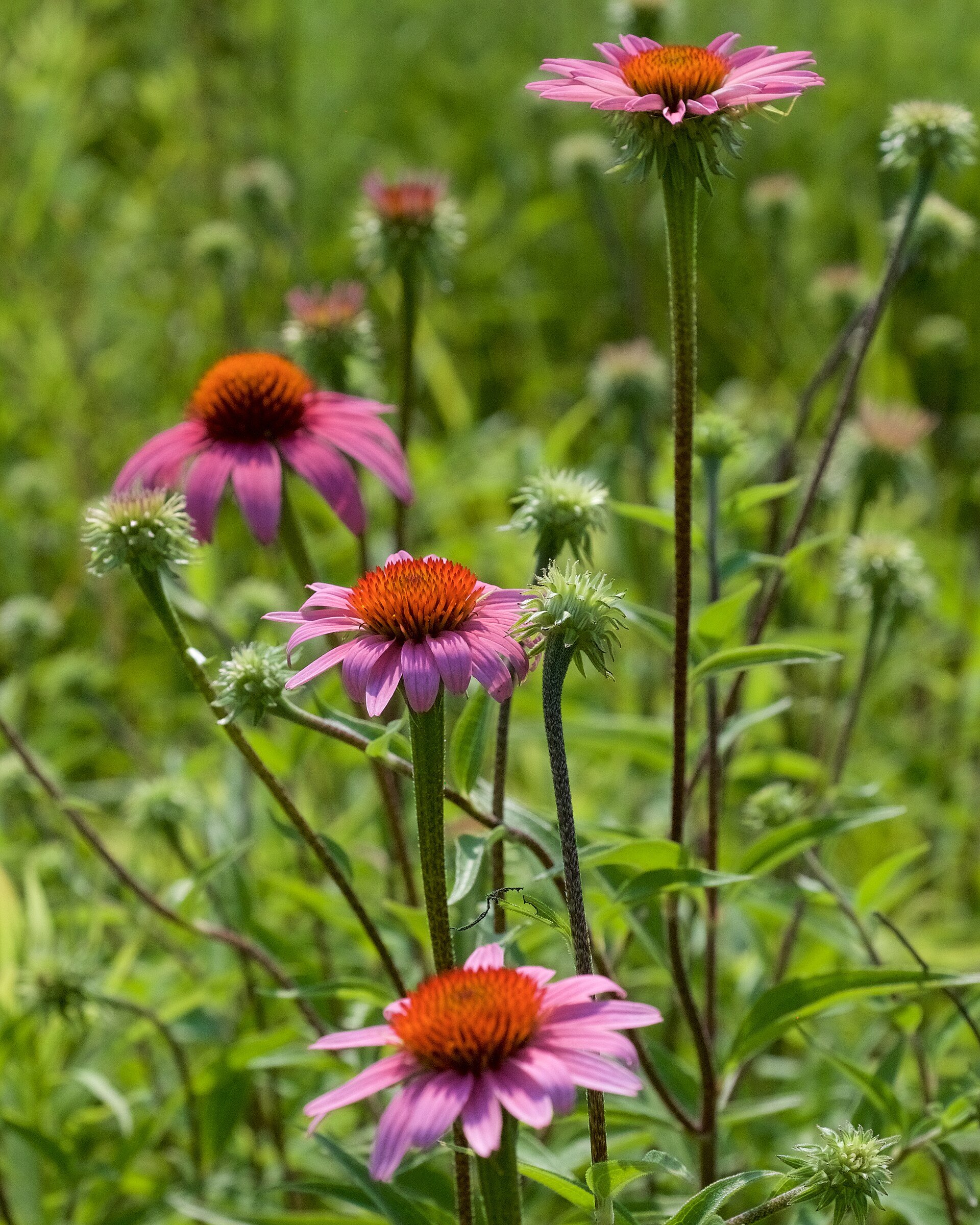
'Prairie Glow' Coneflower, Brown-Eyed Susan. Grown from seed produced by an organic grower in Oregon. Native to the prairie states of North America, well adapted to the PNW climate. Drought tolerant, but probably best with a little bit of water. From the Asteraceae (Aster) family and popular with insects.
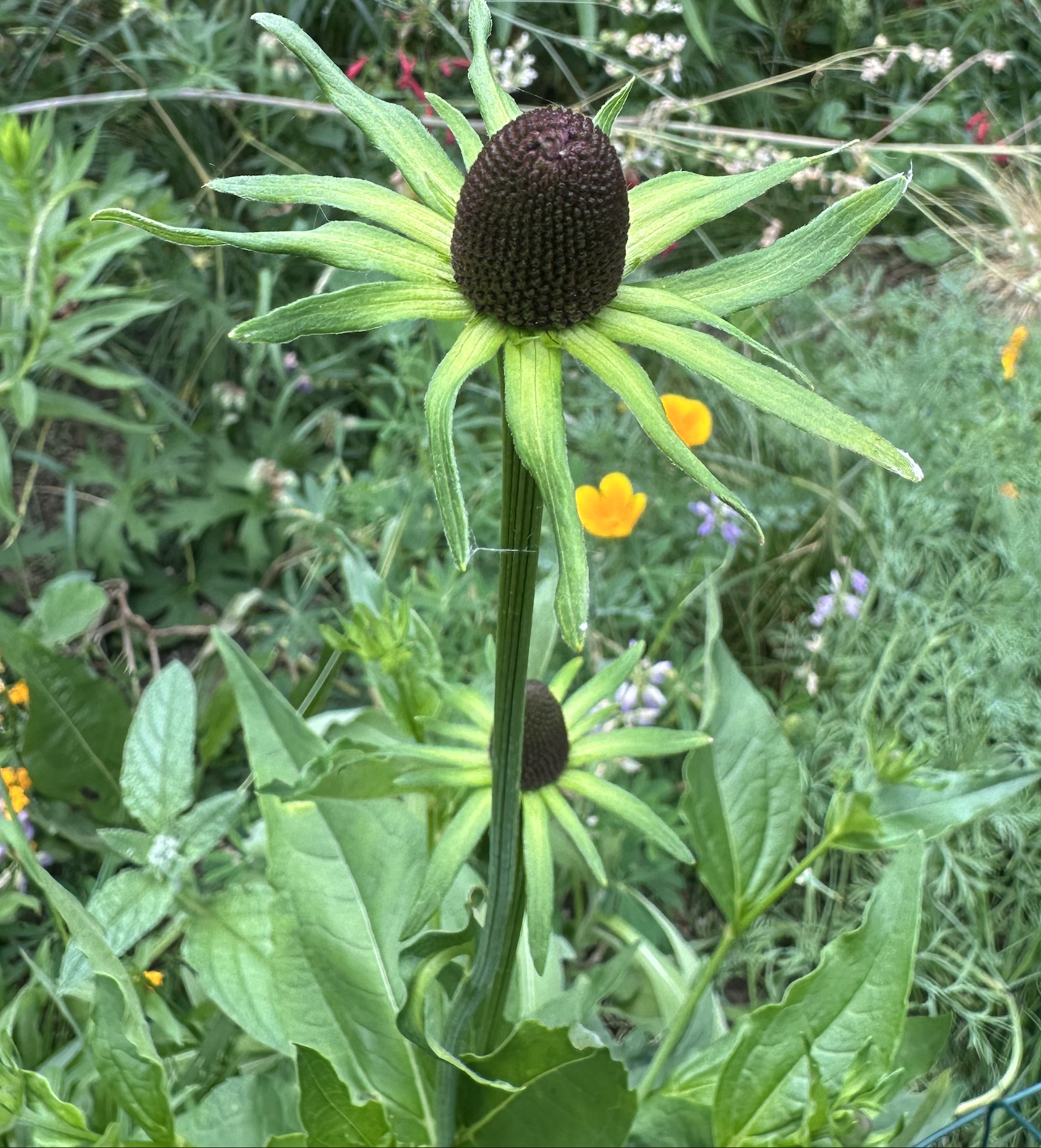
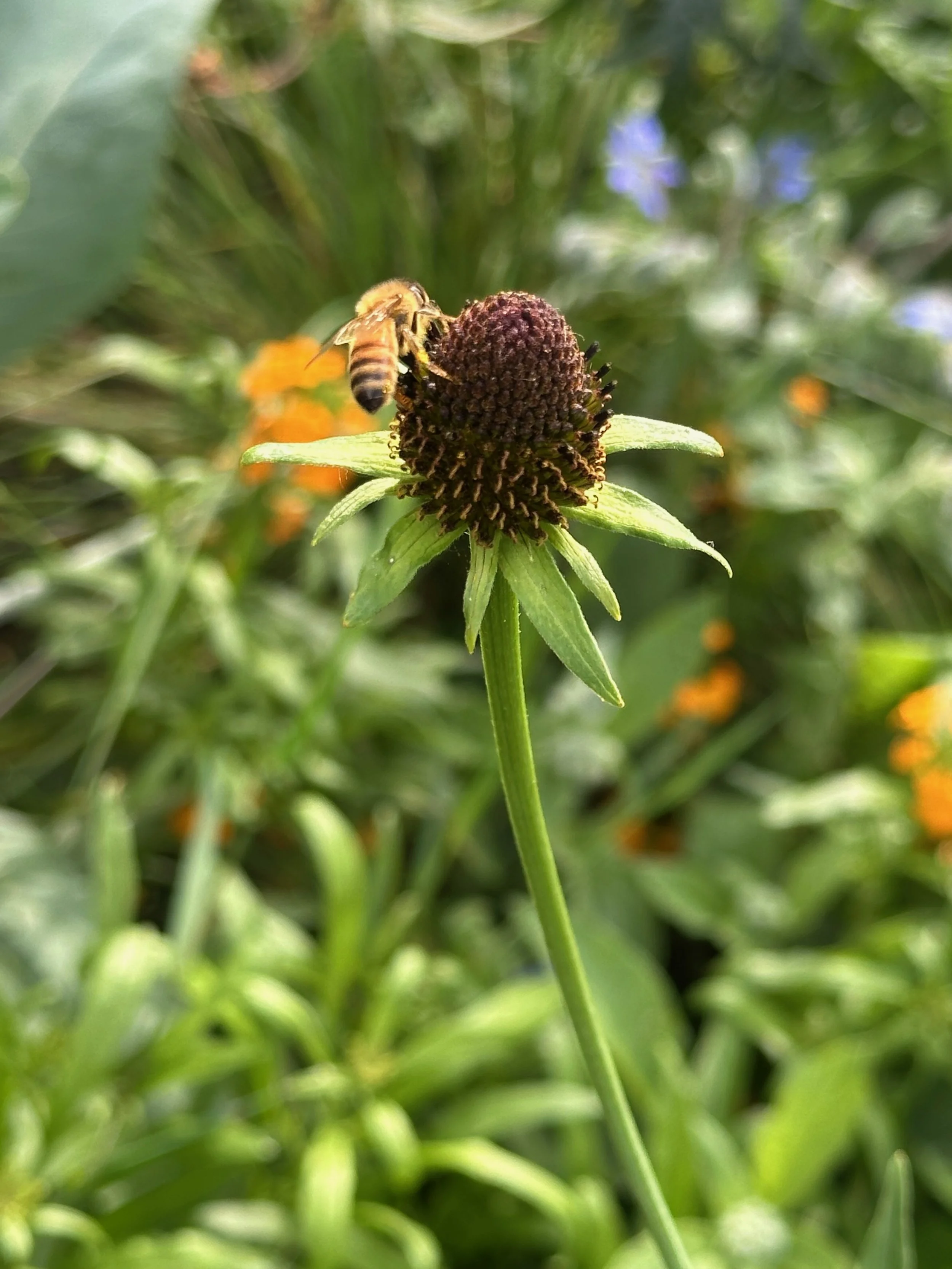
Western Coneflower. Should be on the PPL, cataloged in Portland by Gorman in 1915. A tall coneflower that forgot its “petals”, the cone is a compound flower than blooms like a sunflower over several weeks in midsummer. Popular with insects, best with a bit of summer water.
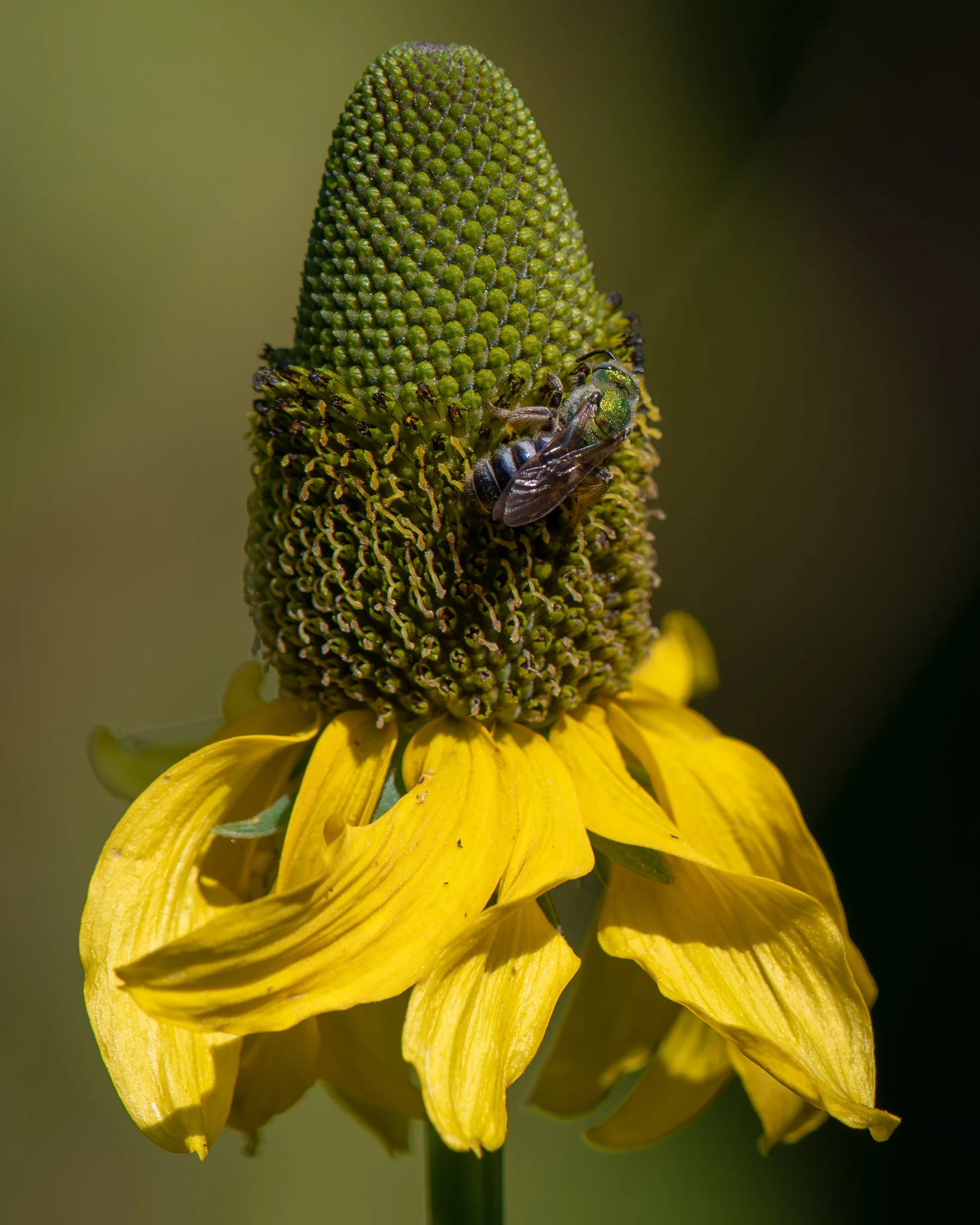
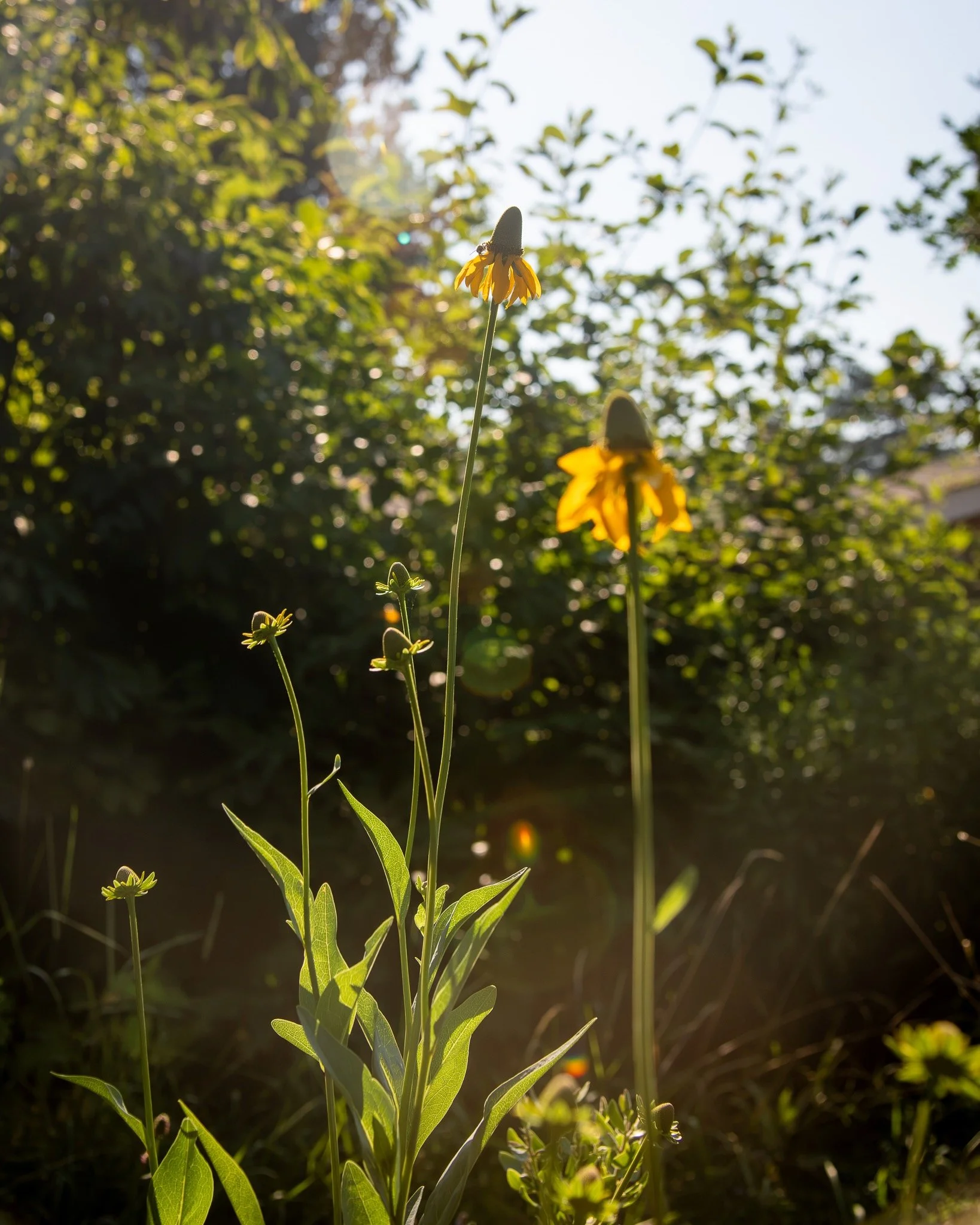
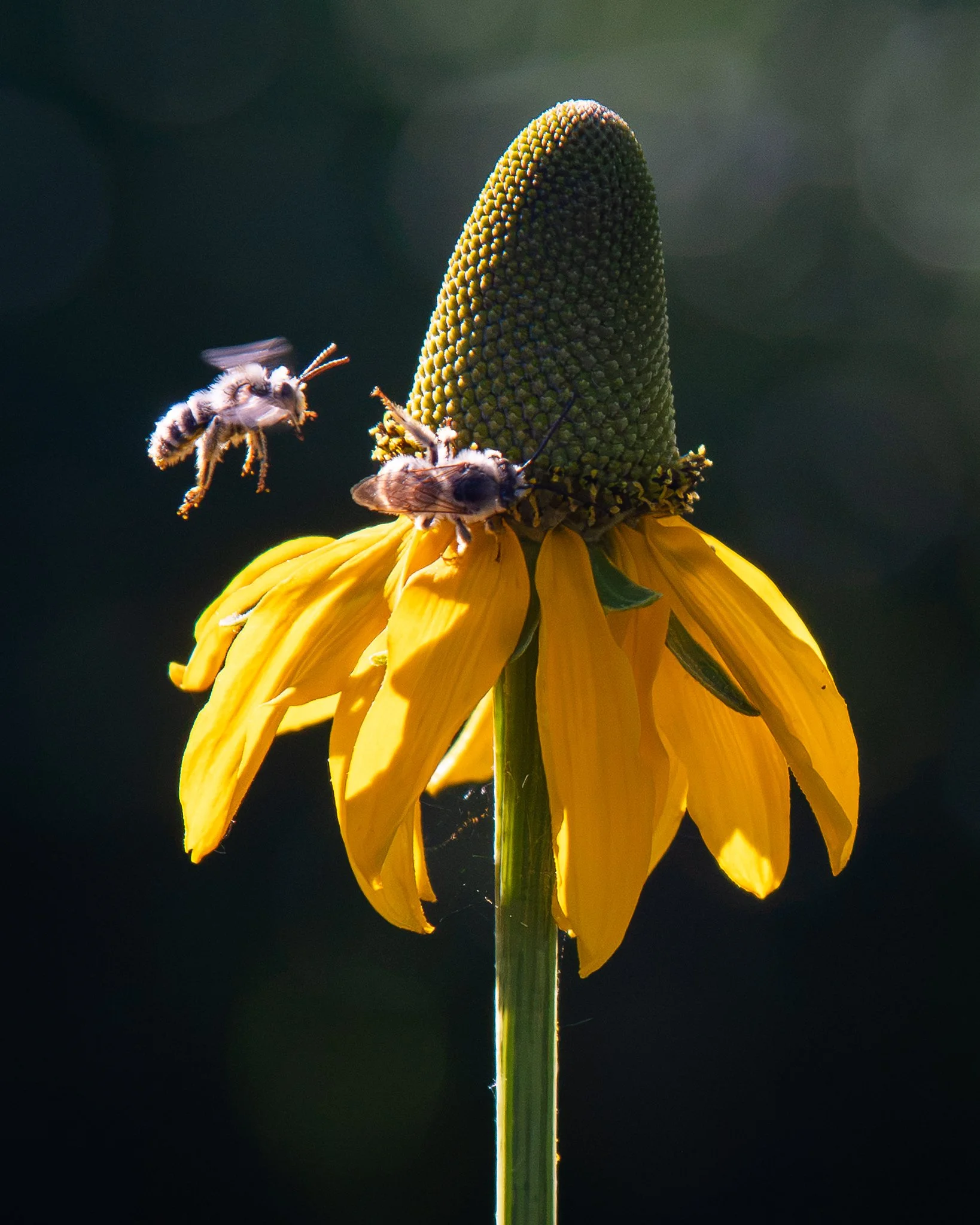
Waxy Coneflower. Oregon native, endemic to the Klamath-Siskiyou Mountains. Yellow sepals and large cones on long stems, a good species for vertical interest. Typically grows near water sources in habitat, does best with a bit of summer water in the garden. A member of the Aster family, extremely popular with a wide variety of insects. A species which should be more popular than it is.
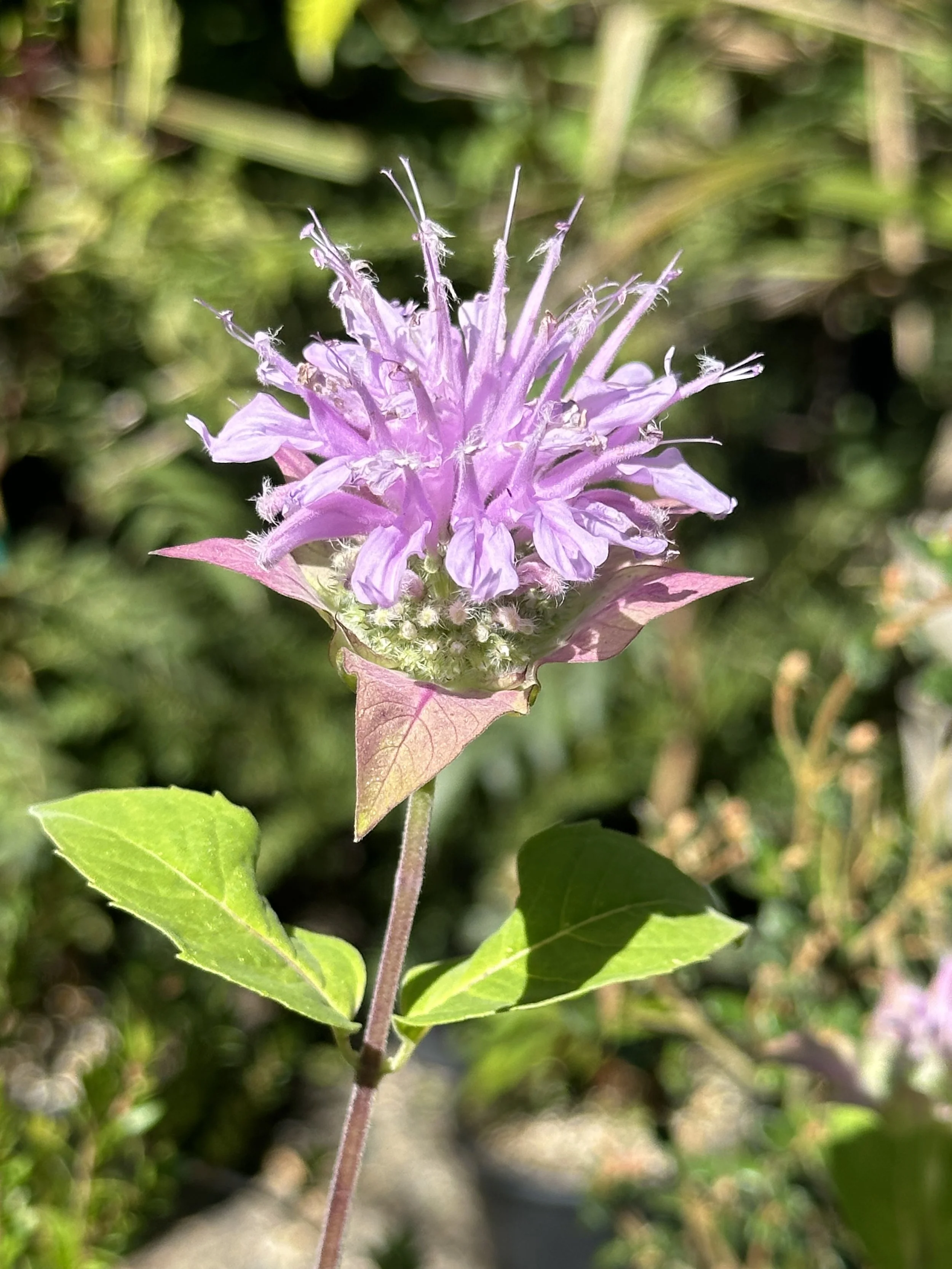
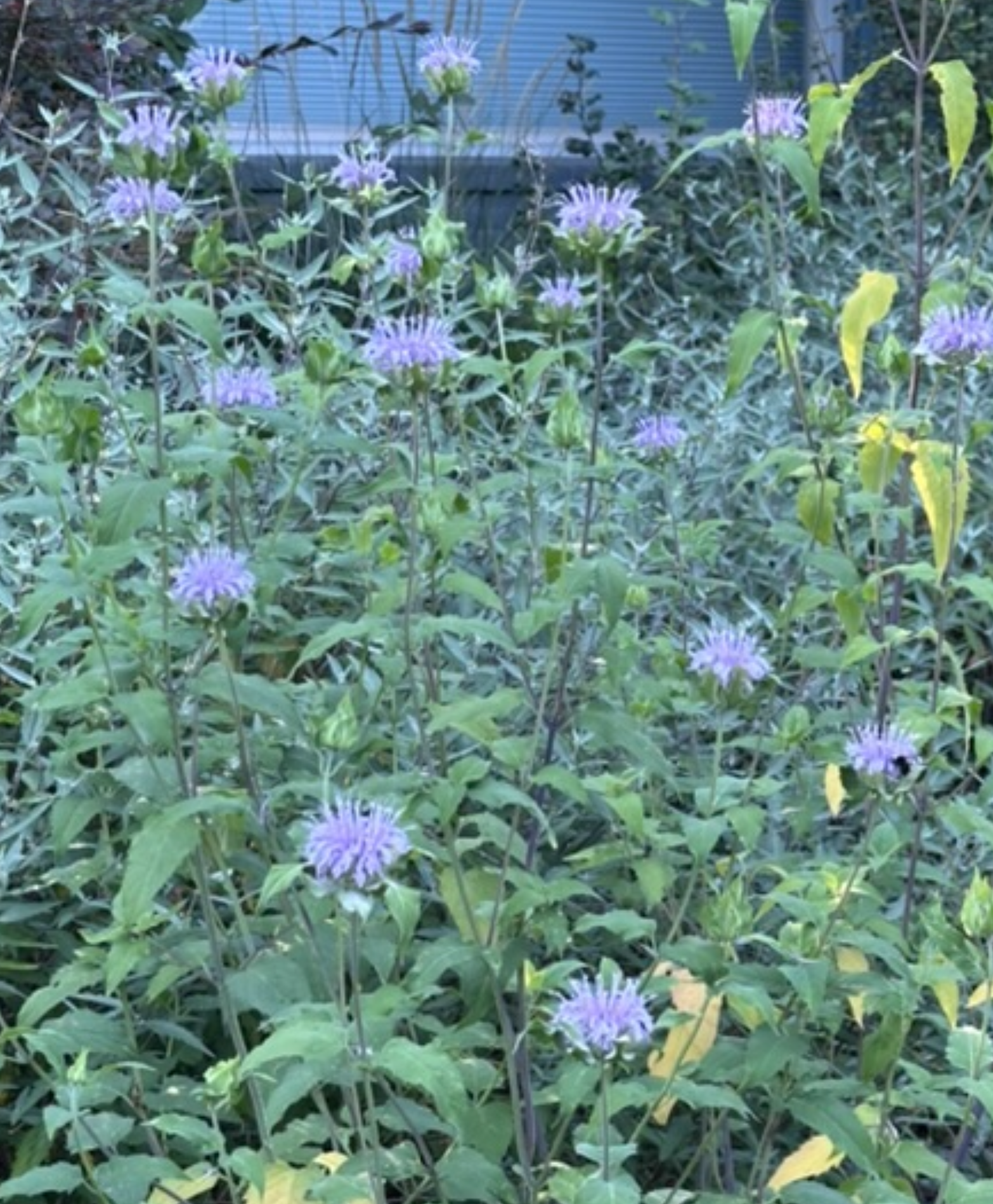
Wild Bergamont, Bee Balm. Oregon native, mostly out by the Snake River— so if you need to, you can pretend the seeds came down the Columbia. From the mint family (Lamiaceae) but not world-endingly aggresive. Still, it wants some friends and will grow some friends. Blooms are purple tufts on long stems, very popular with bees of all sorts. Good option for that shady area you need to fill in!
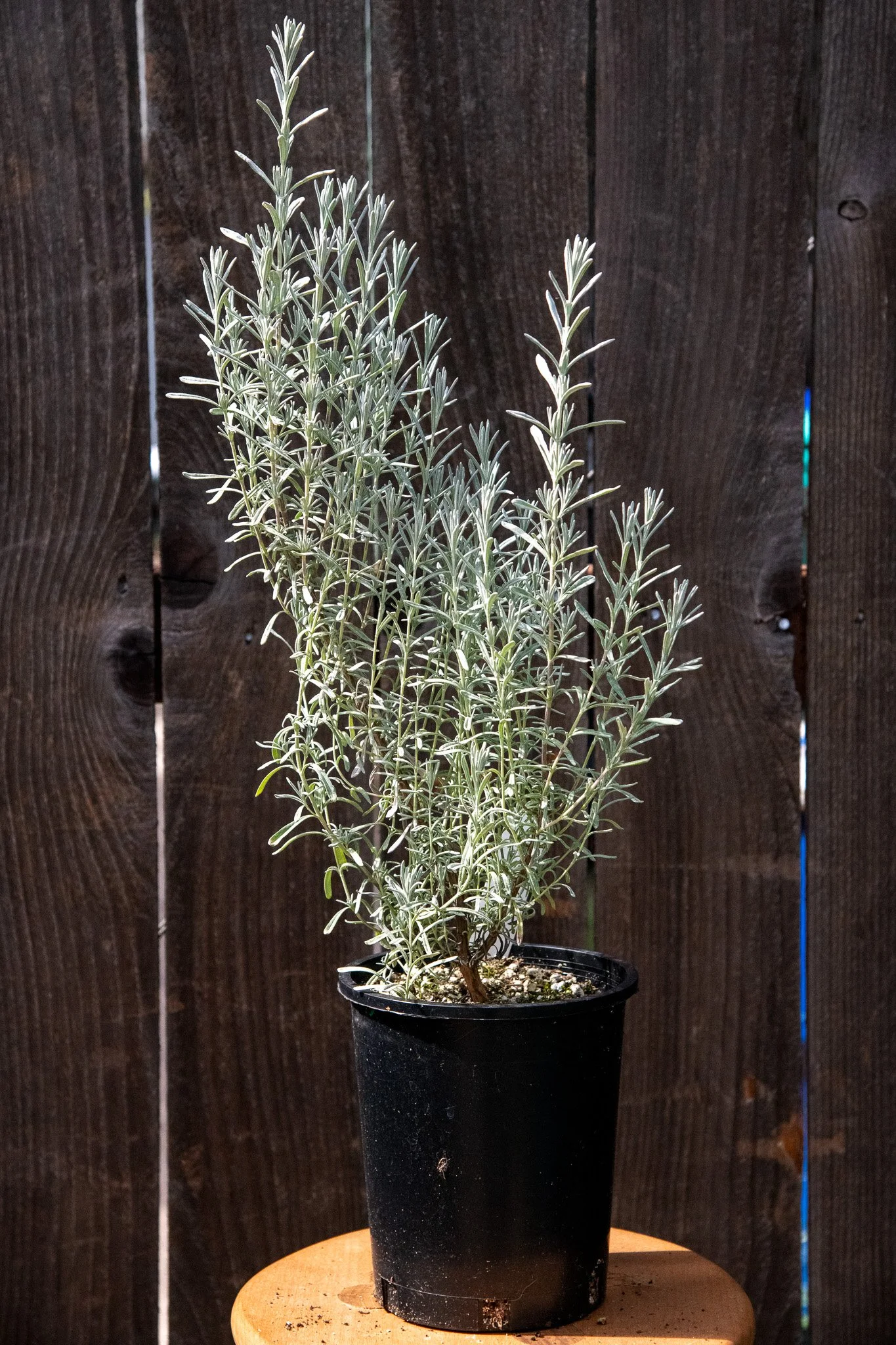
'Silver Anouk’ Spanish or Butterfly Lavender. An import from the capital M Mediterranean that is right at home in our lowercase m mediterranean climate: summer dry and winter wet are no problem for this selection. Silver foliage and purple blooms are quite the show year-round. Stems get woody if you let them, but also take pruning to shape very well— just don’t cut past the foliage!
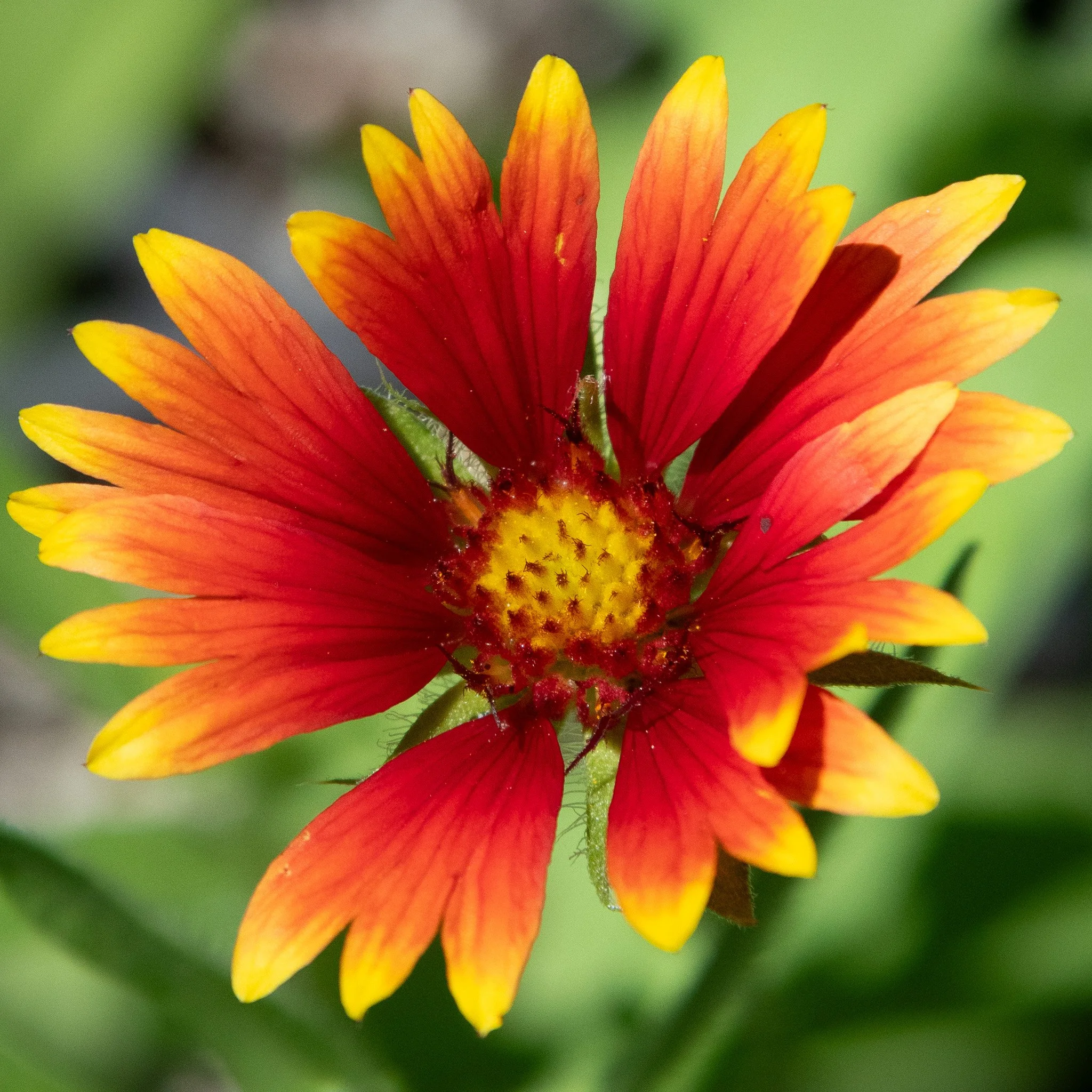
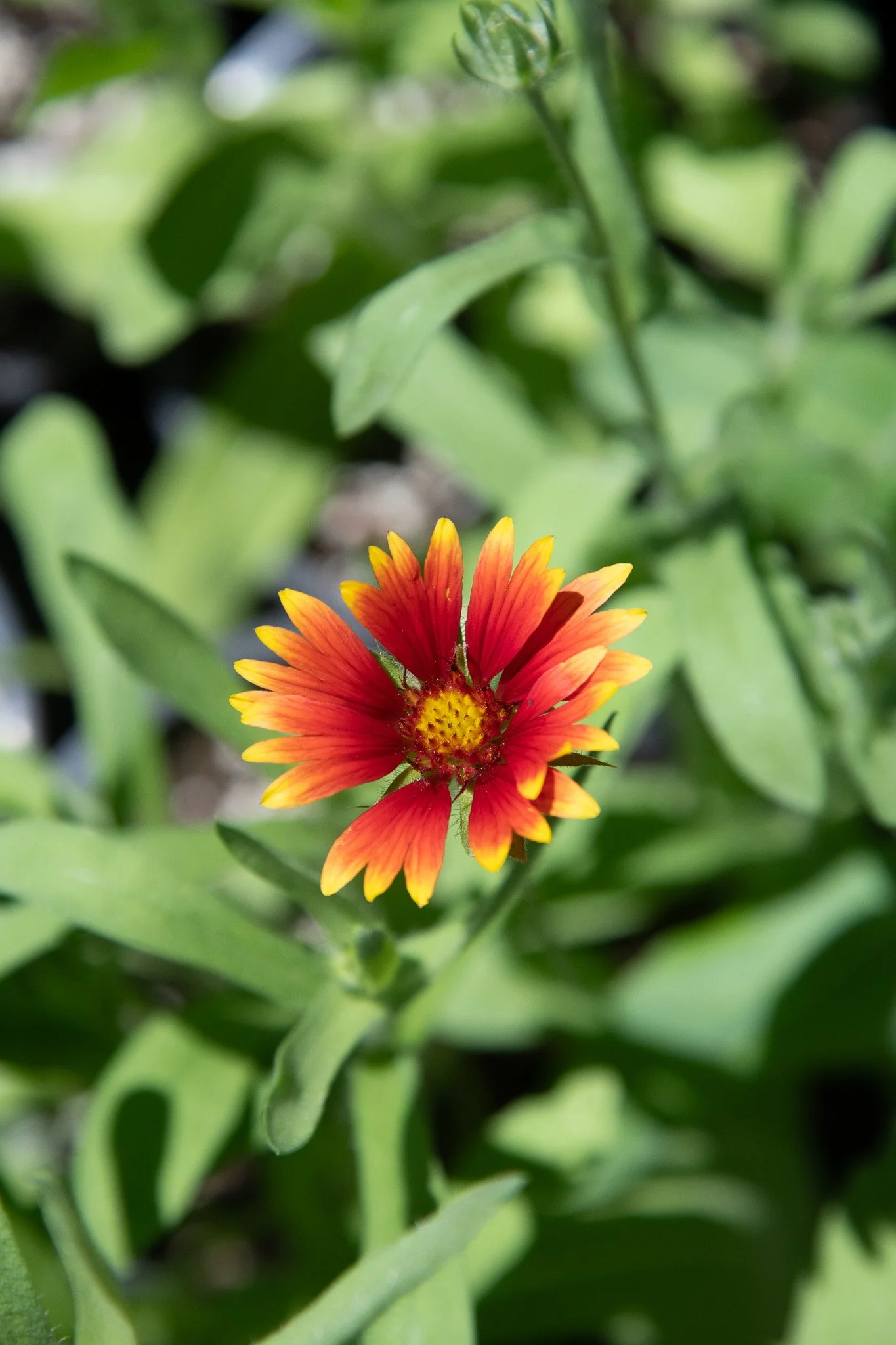
Blanketflower. Oregon native from the Chihuahuan desert via the Rocky Mountains. Extremely long blooming. Can be slightly unwieldy, best planted with other grasses and perennials. Let it bob and wander through your other plants, it’s hard to argue with a blanket flower showing through!
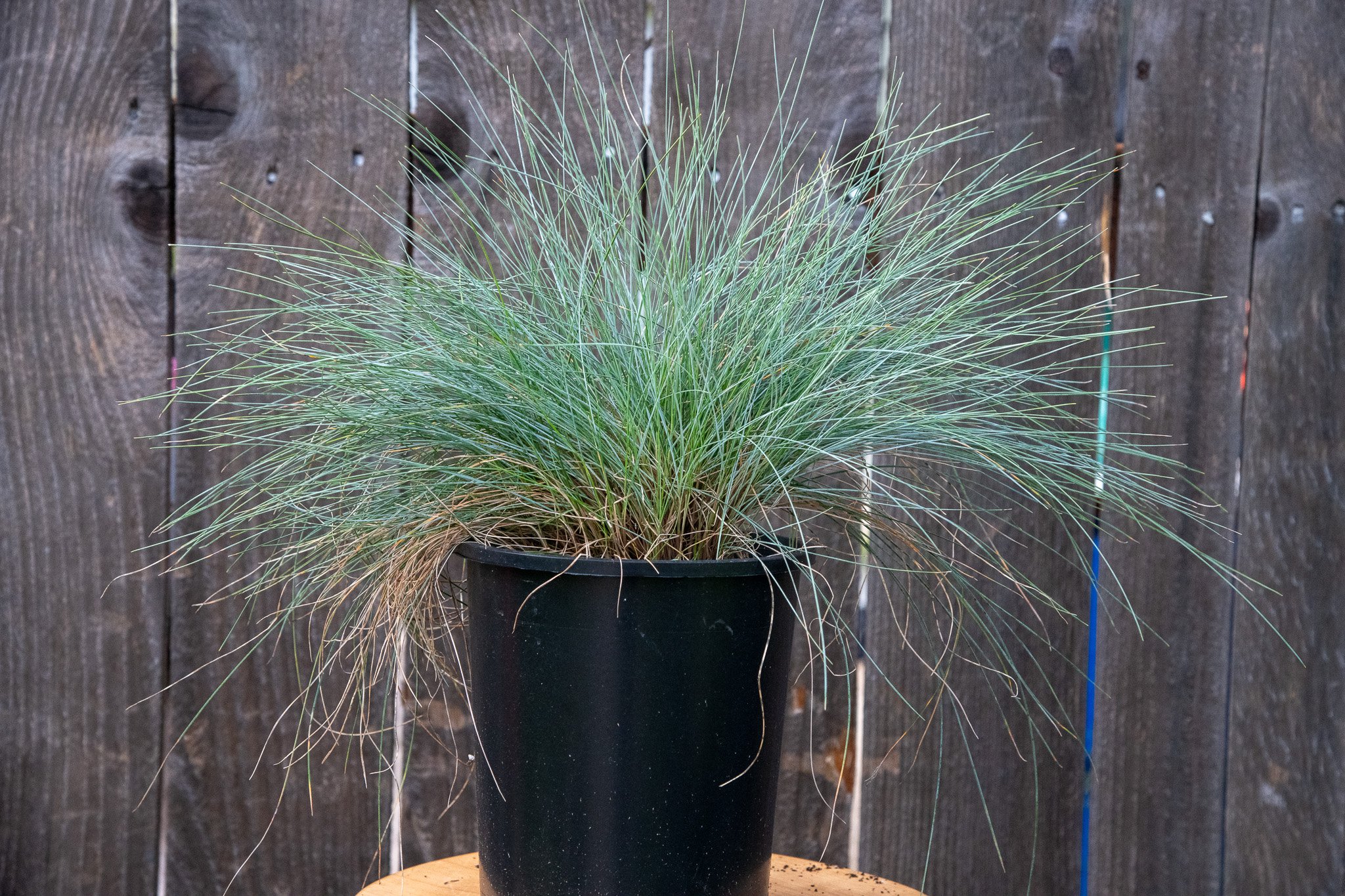
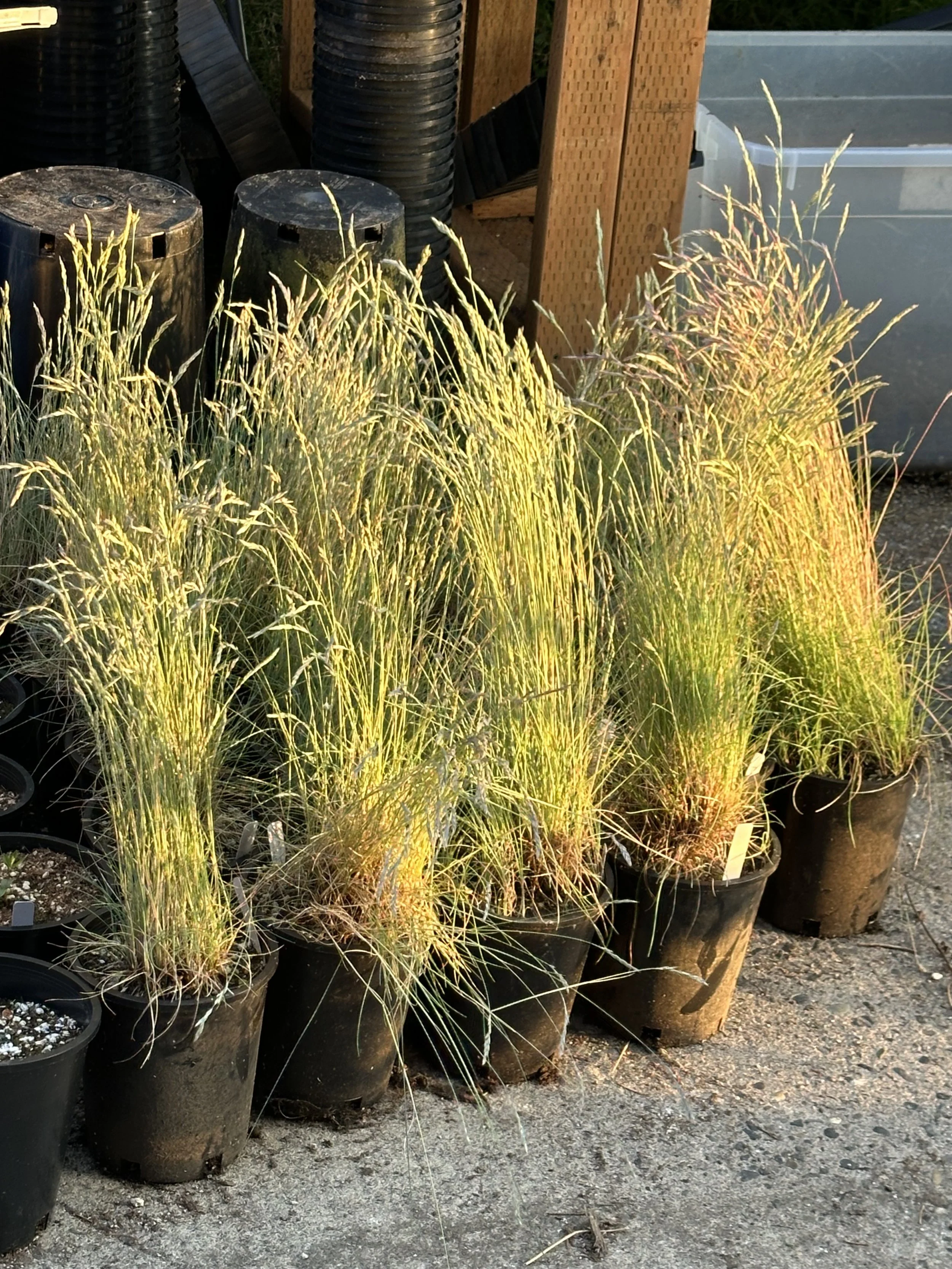
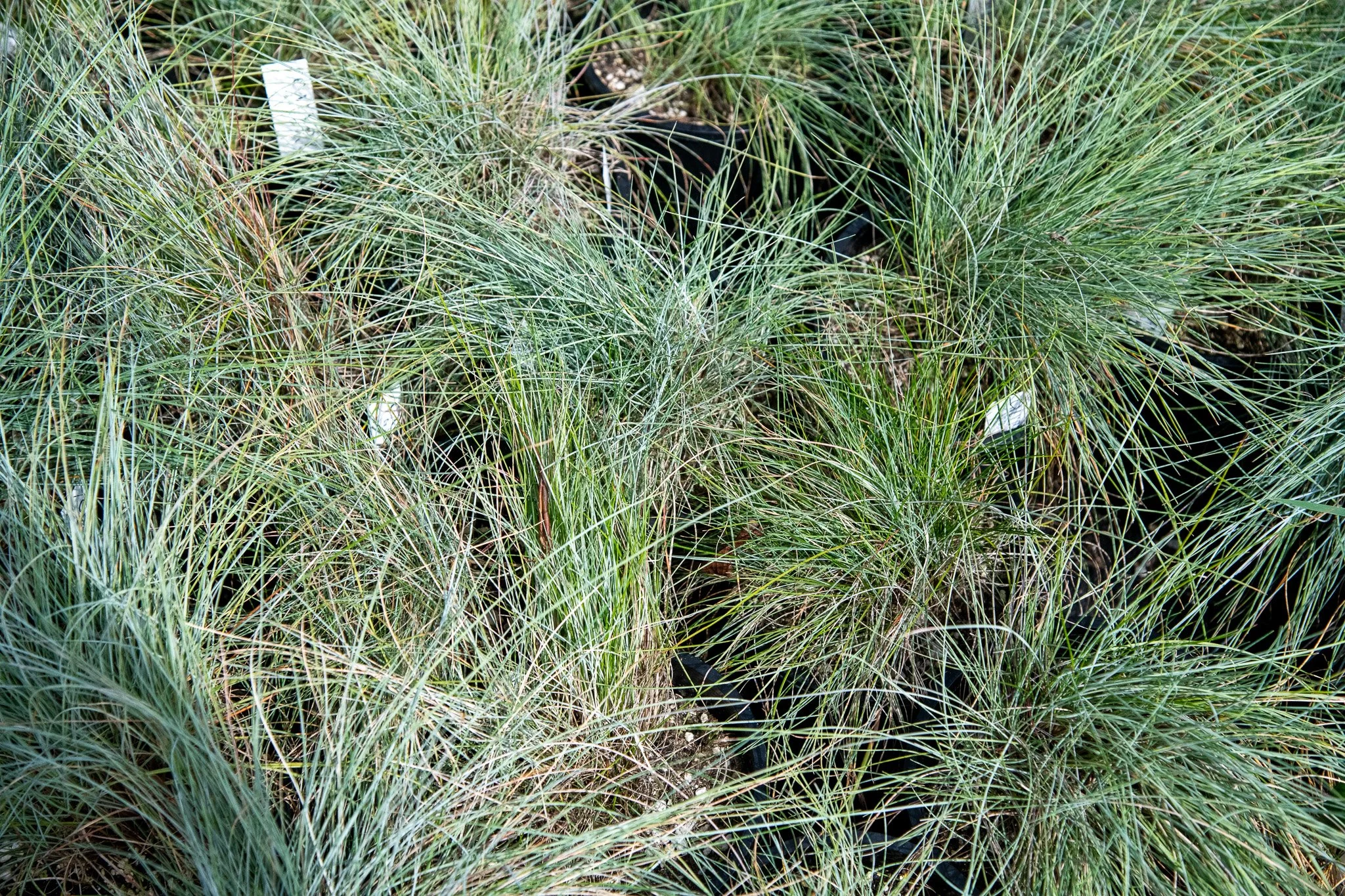
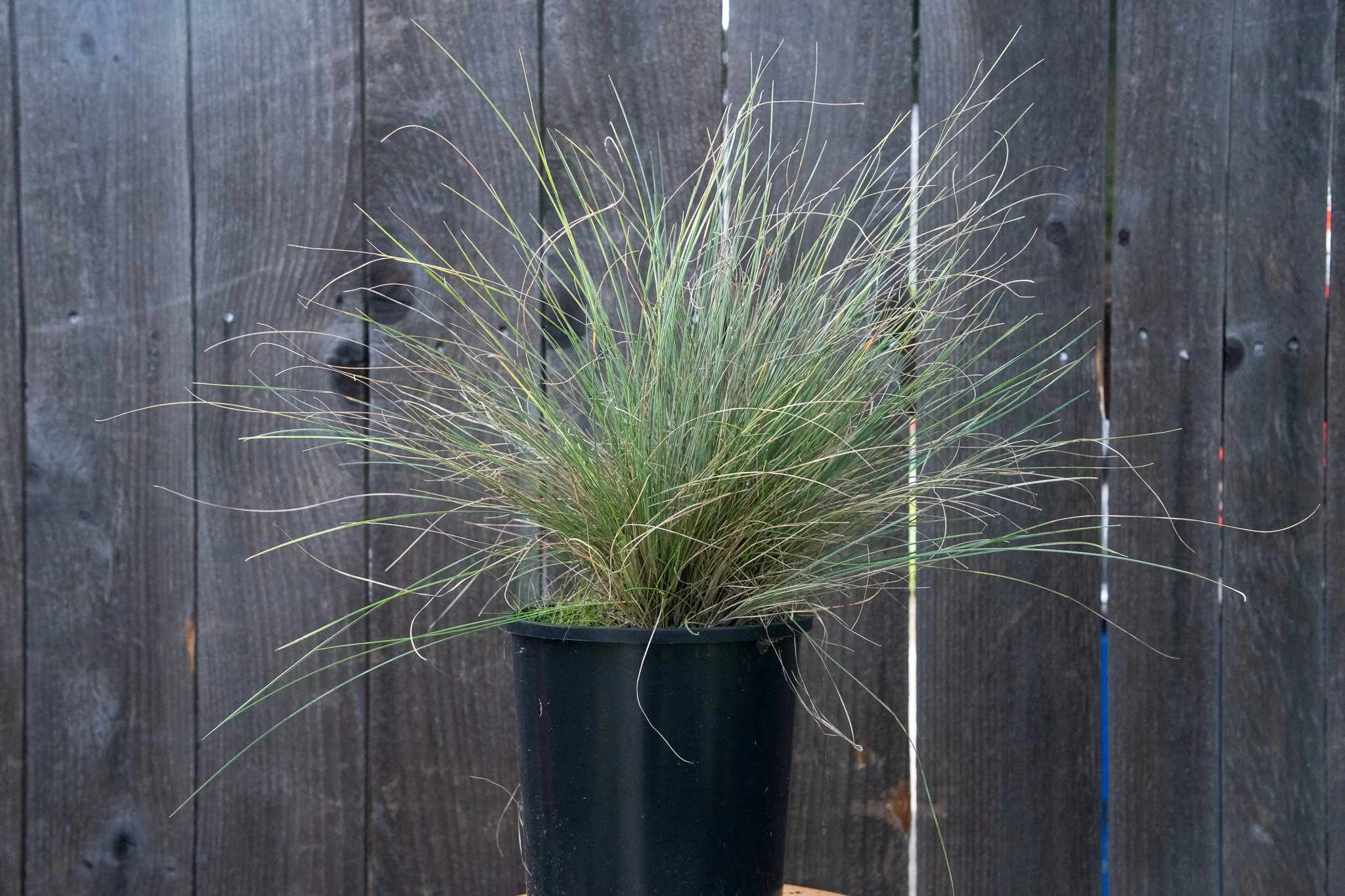
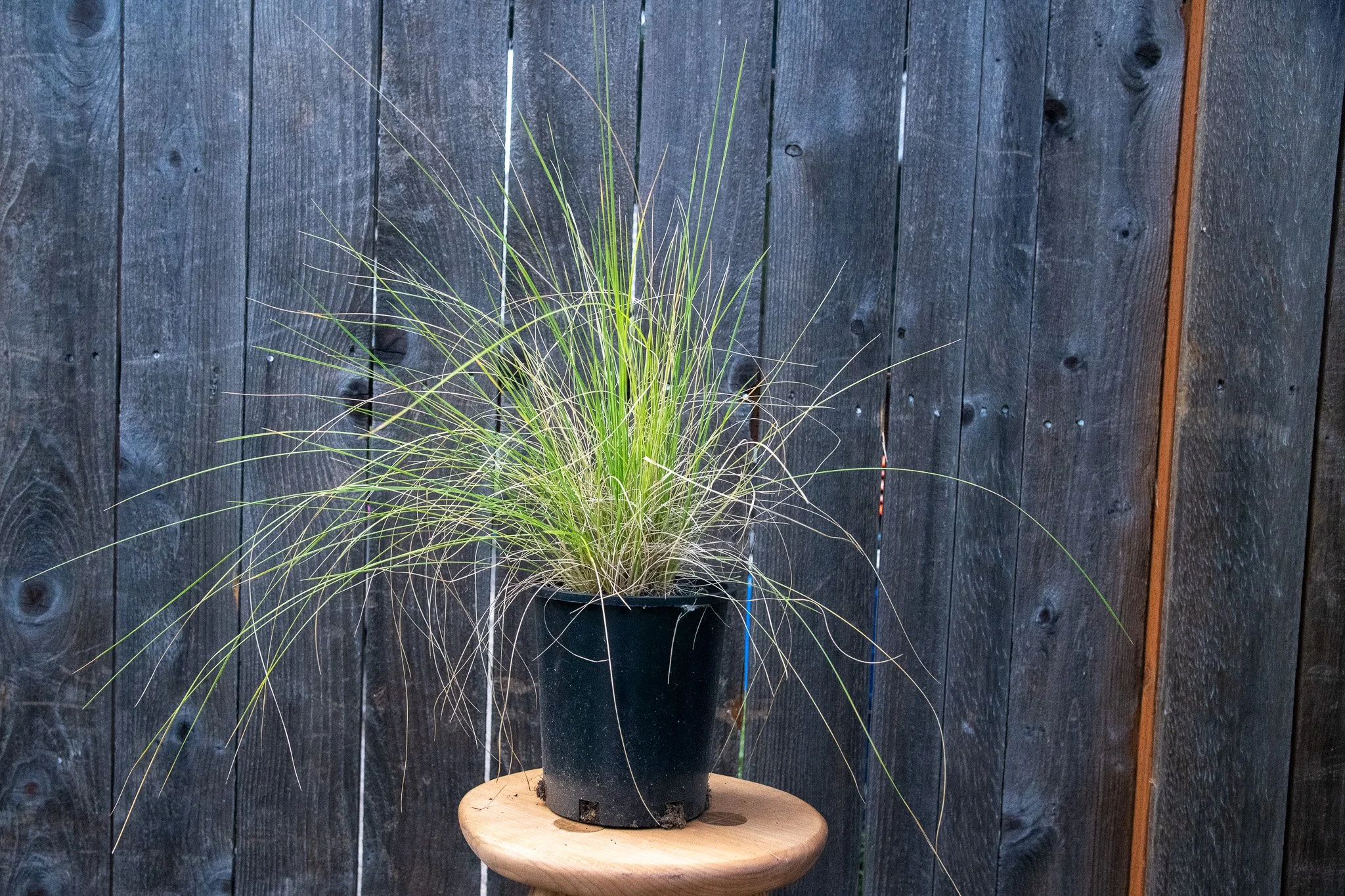
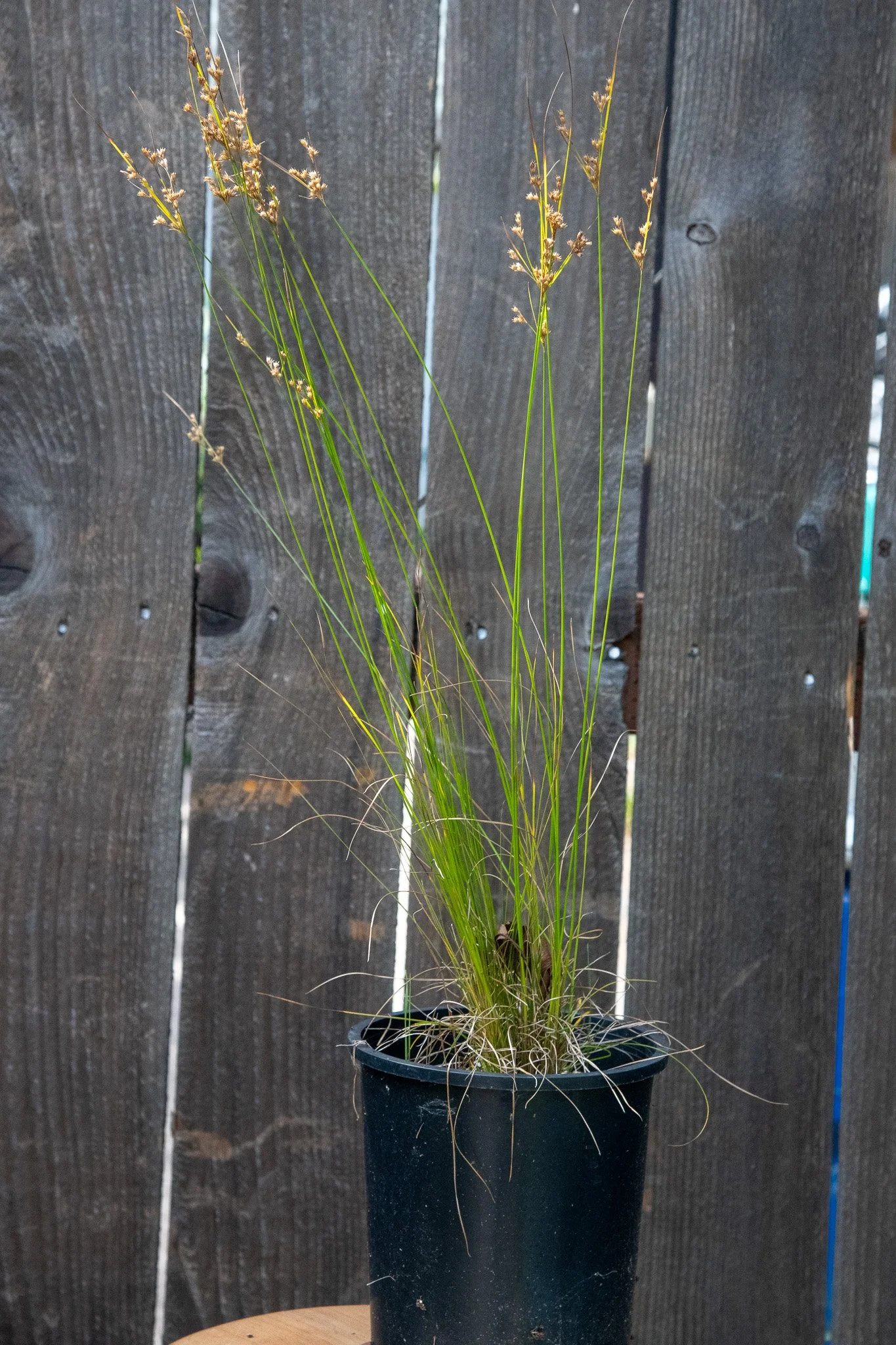
Sand Fescue. Oregon native, an import from the coast. Persistent blue-gray color year round with seed stalks that move with the wind but aren’t tall enough to block any views. Happy with all of the sun, drought, and drainage you have to offer! The answer to the question “What should I plant instead of Festuca glauca?”
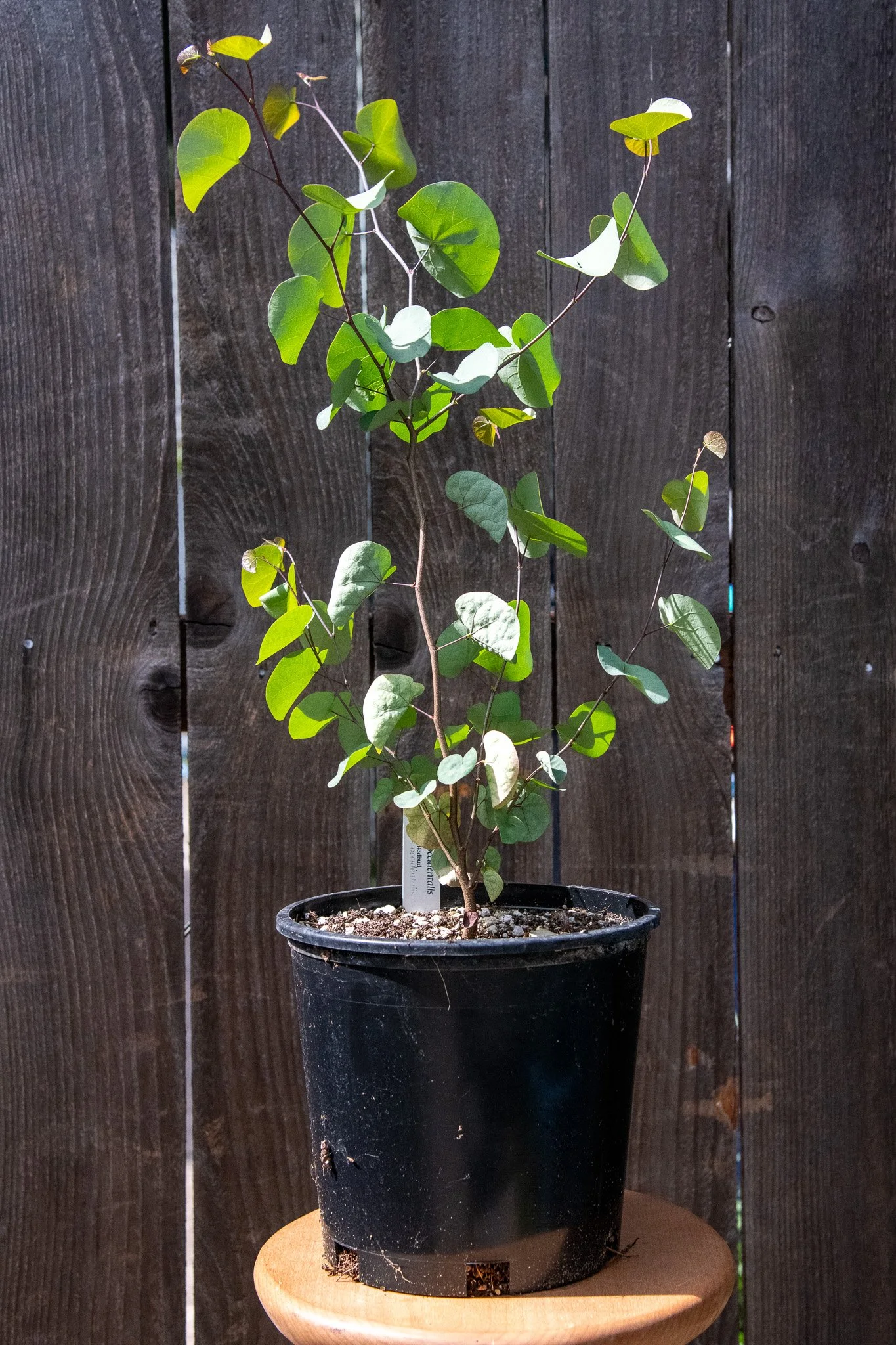
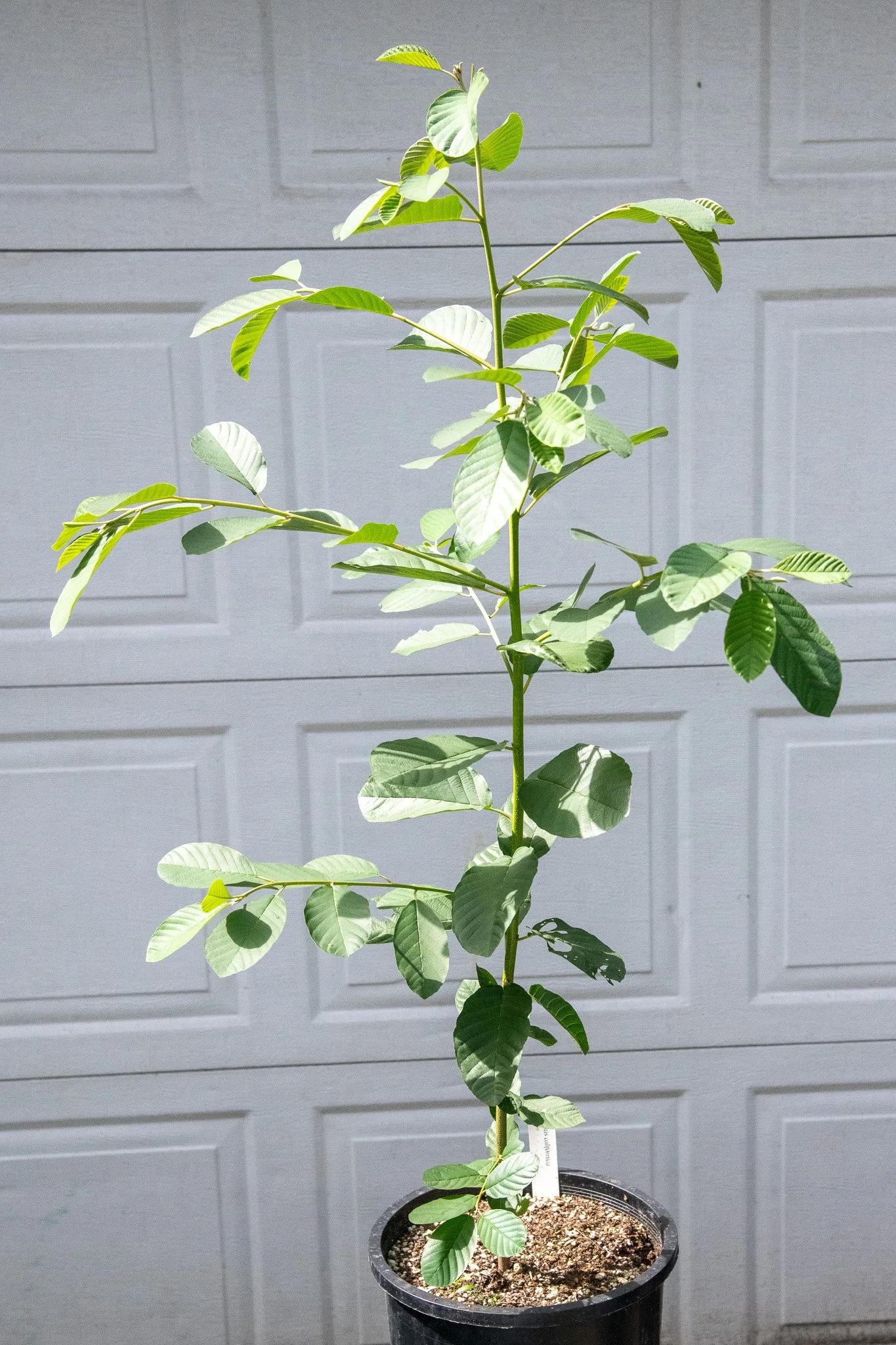
Western Redbud. Oregon native, historically from a bit father south than Portland. Small tree or multi-trunked shrub depending on how you let it grow. Deciduous, profuse pink flowers bloom in spring before the large round leaves grow in. A mostly native replacement for its cousin, Cercis canadensis (Eastern Redbud).
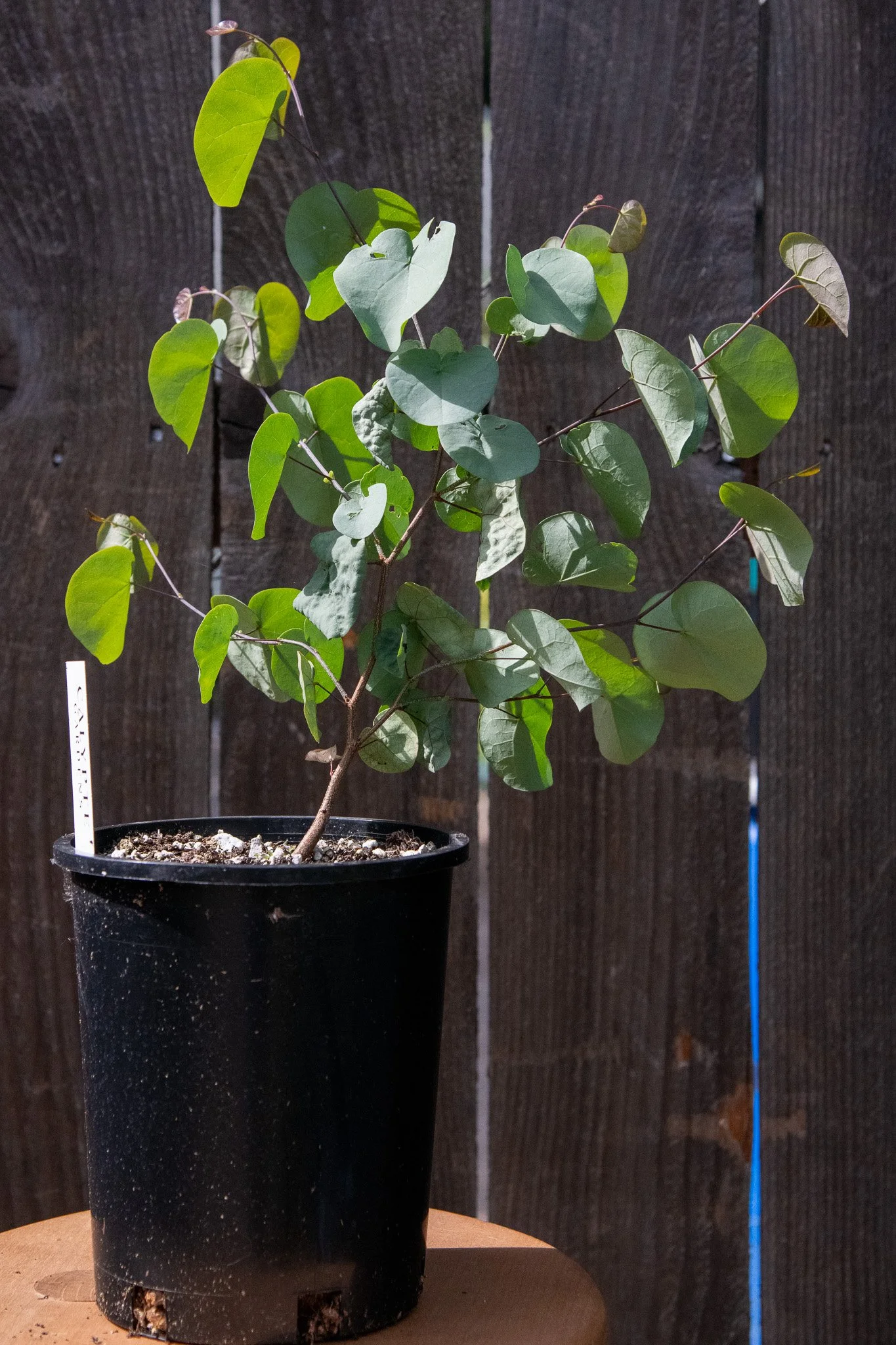
Western Redbud. Oregon native, historically from a bit father south than Portland. Small tree or multi-trunked shrub depending on how you let it grow. Deciduous, profuse pink flowers bloom in spring before the large round leaves grow in. A mostly native replacement for its cousin, Cercis canadensis (Eastern Redbud).
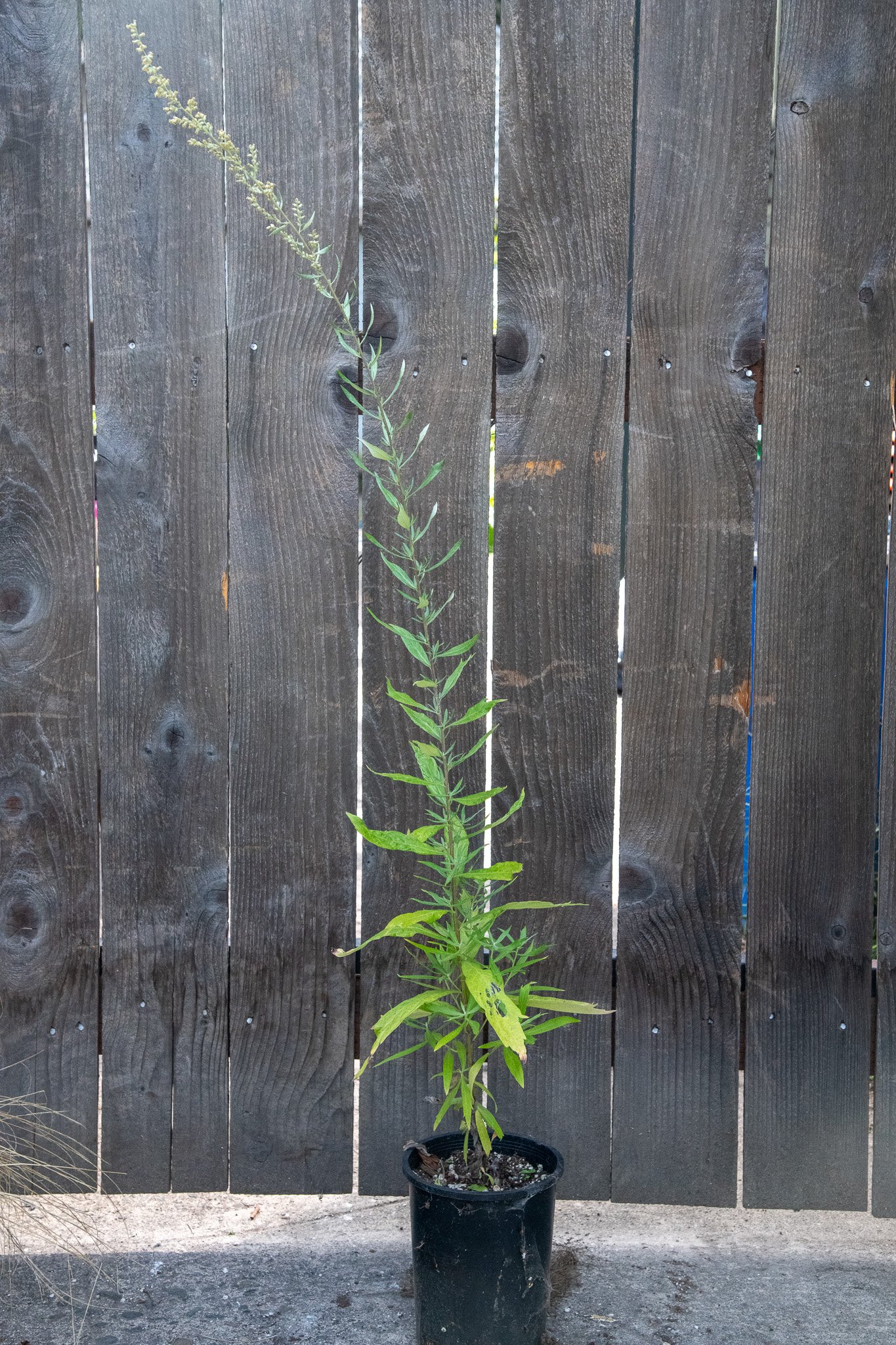
California mugwort / Douglas's sagewort. Portland Plant List native. A plant which needs nothing from you to do what it is going to do. Yellowish blooms on long stems are not particularly ornamental, but the plant will thrive in basically any setting from moist sun to dry shade.
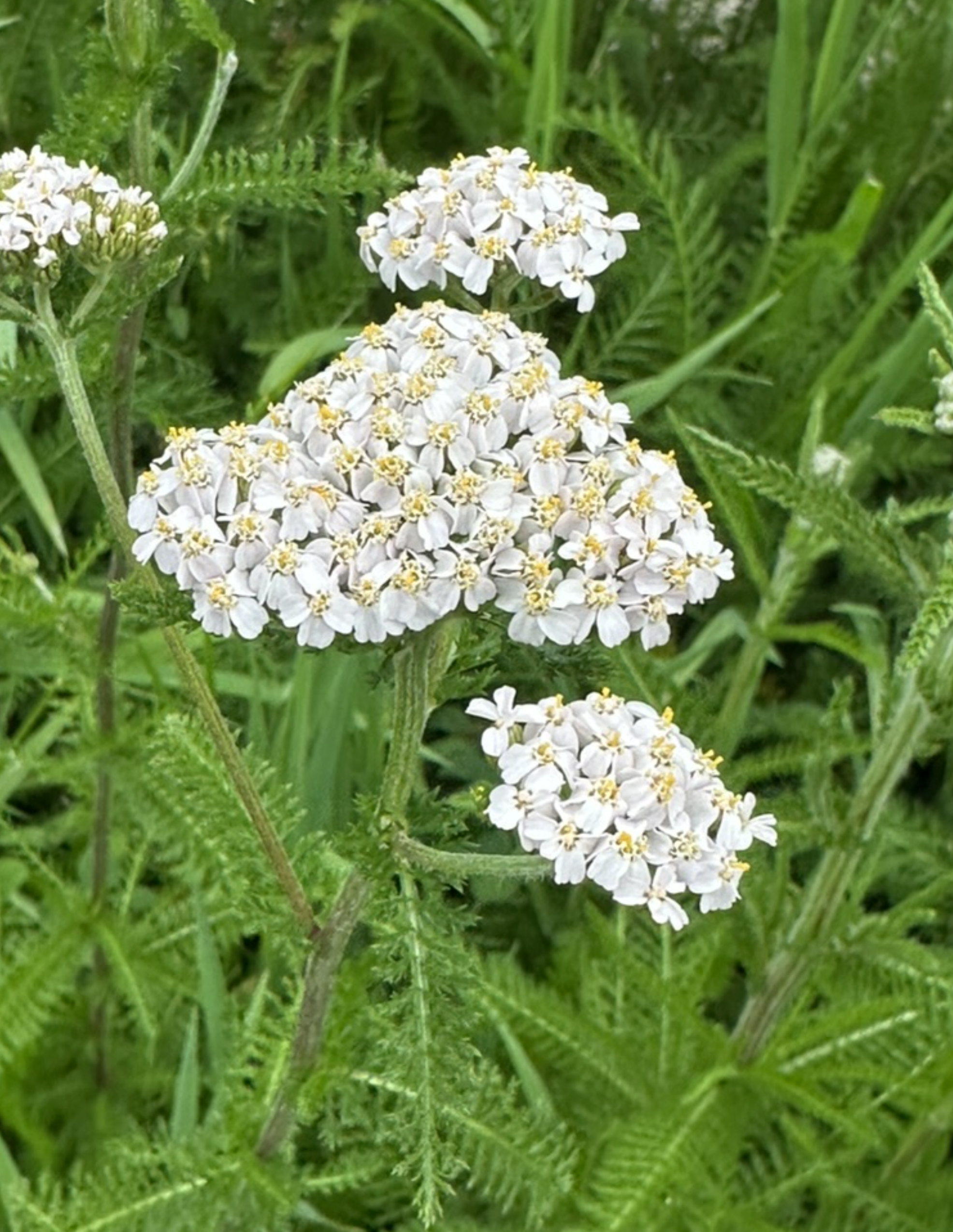
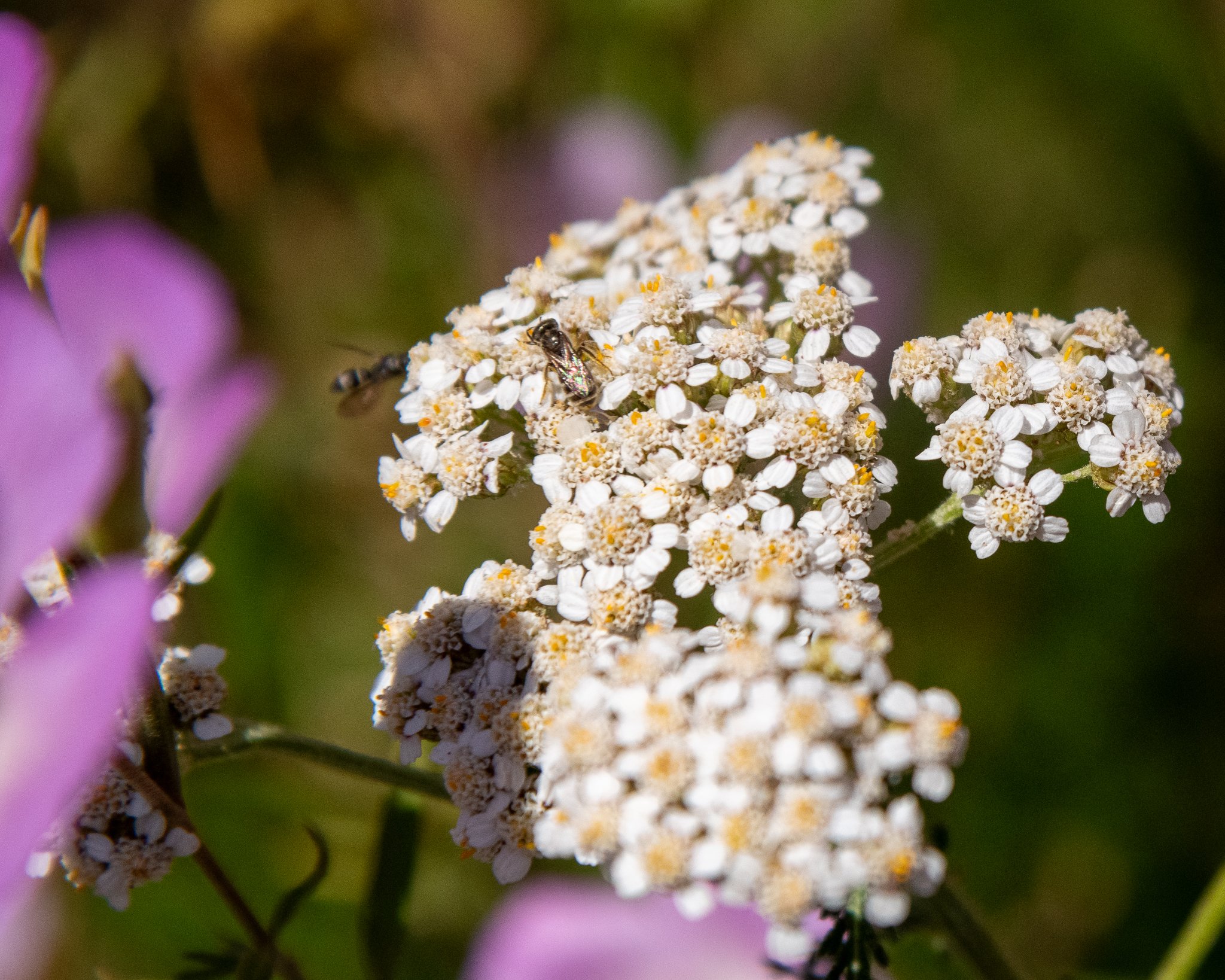
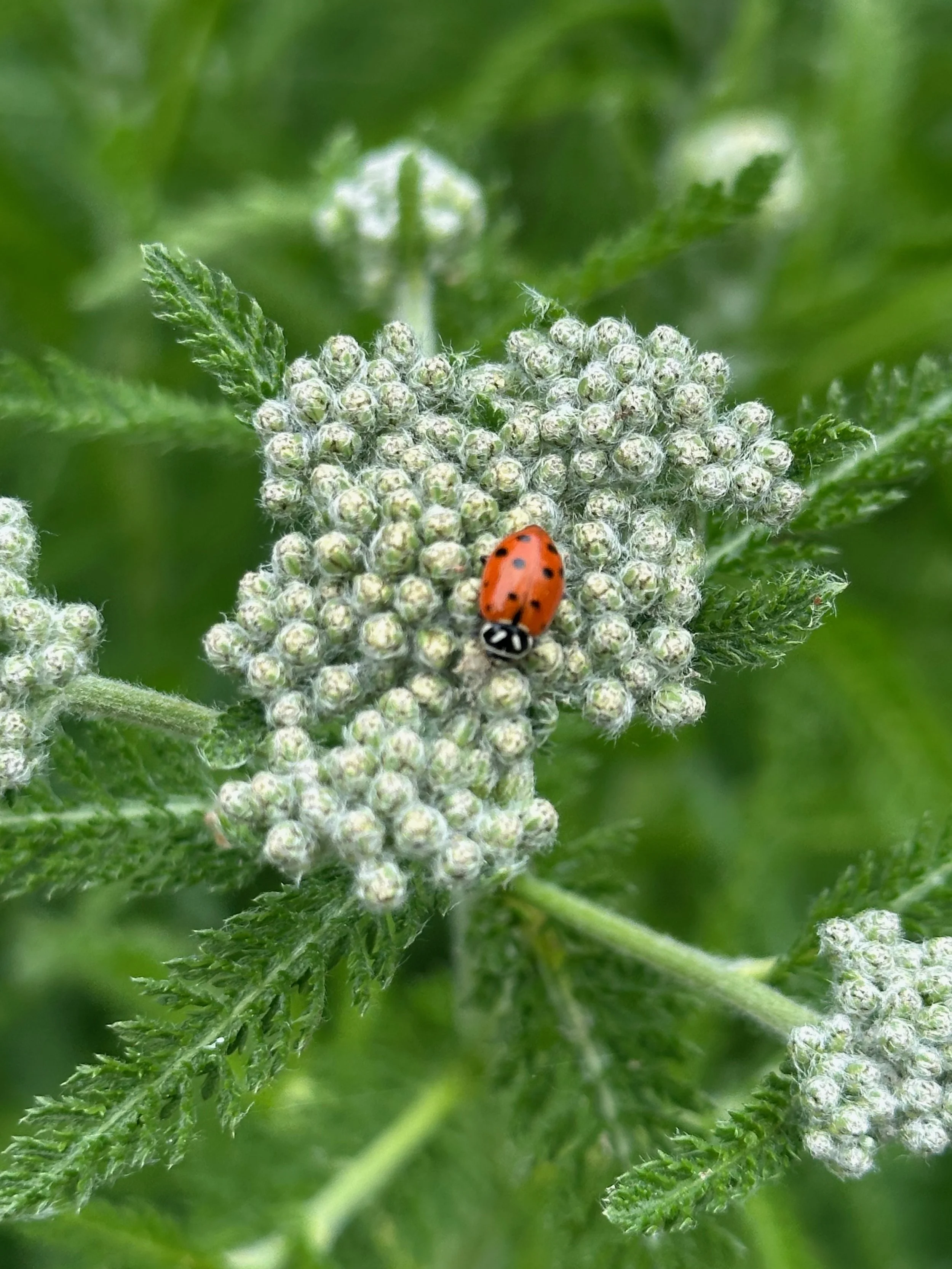
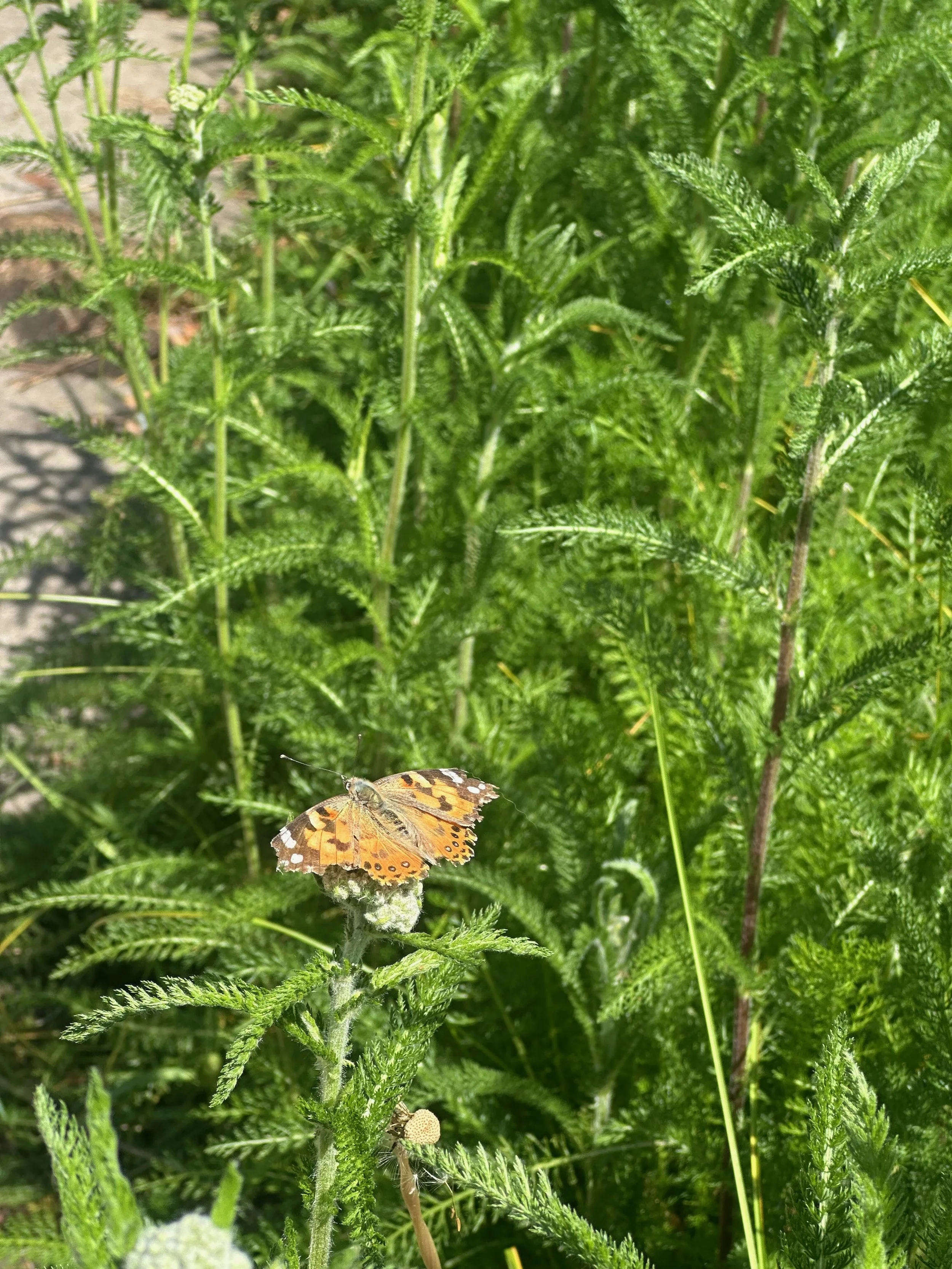
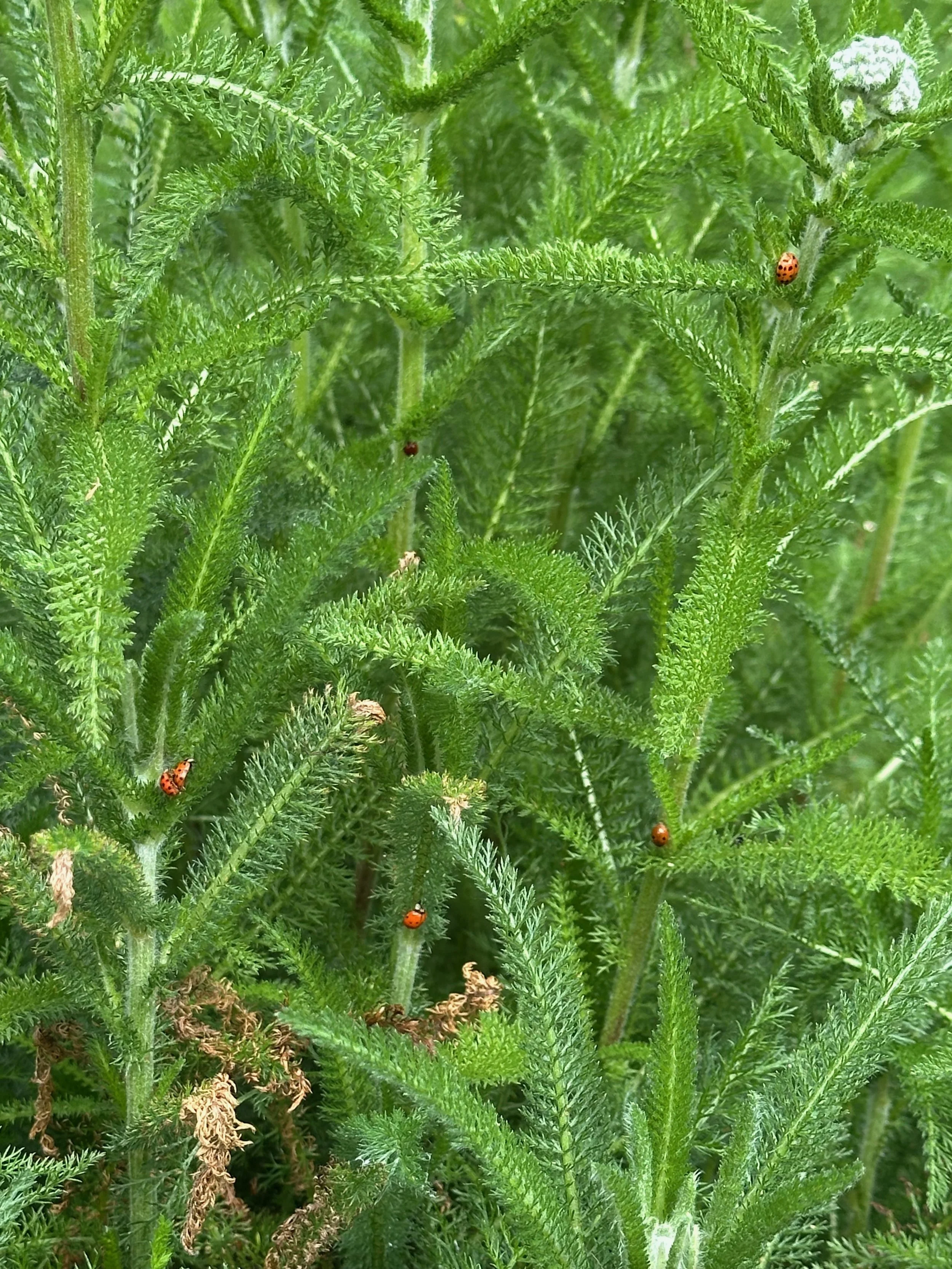
Common Yarrow. PPL Native. You know it, you more or less love it, it’s Yarrow! White umbel blooms over delicate foliage (1000 leaves, go figure), the species doesn’t really have an off-season. Slightly aggressive and incredibly sturdy, I’ve let it take over my hell strip and it hasn’t had any requests since. Popular with a wide variety of insects.
No results match your search. Try removing a few filters.